Lightweight Waterproof Cycling Jackets: What to Look For
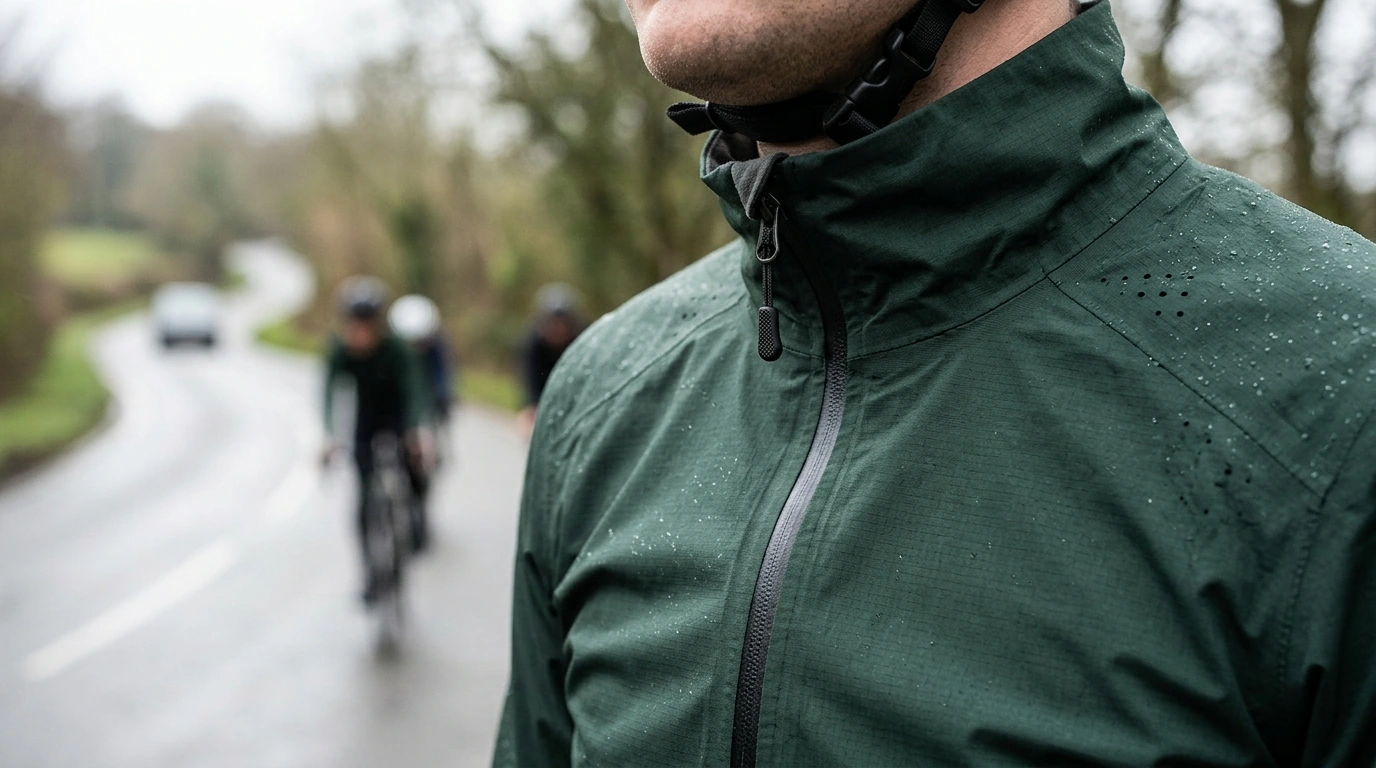
What is the best lightweight waterproof cycling jacket?
For most riders, the best choice is a cycling-specific, fully seam-sealed jacket with a breathable waterproof membrane, a close-fitting cut, and enough room for a light insulating layer. Look for a packable 2.5-layer design: it can offer dependable rain protection without the bulk of a heavier shell. The right jacket should keep water out while allowing heat and sweat to escape during hard efforts.
Check that the seams are taped, since water can seep through stitching even when the outer fabric is waterproof. A durable water-repellent finish helps rain bead on the surface, but it can wear off with use and washing. Breathability matters especially on climbs, where a fully waterproof but poorly ventilated jacket may feel clammy. Underarm vents or a two-way front zipper can help release excess heat.
Features that matter on a ride
A cycling cut is usually longer in the back and shaped for a forward-leaning position. A dropped rear hem helps cover the lower back, while adjustable cuffs and a snug collar limit drafts and splashes. A hood is useful off the bike, but can flap or interfere with a helmet; if you want one, check that it fits beneath or over your helmet as intended. Reflective details and a bright color improve visibility in gloomy weather, though they do not replace lights.
For a small, lightweight jacket, expect a few tradeoffs. Thin fabric can be less abrasion-resistant, and compact models may have fewer pockets or less ventilation. Compare the packed size and weight with the weather you typically ride in, and try the jacket over your usual layers. A good fit should allow movement without excess fabric catching the wind.
How to choose for your conditions
For brief showers and warm temperatures, prioritize low weight and ventilation. For long rides in persistent rain, favor robust seam construction, dependable closures, and a longer rear hem, even if the jacket packs a little larger. No shell stays comfortable in every condition, so layer thoughtfully and follow the care instructions to maintain its water-repellent finish.
If your rides also involve carrying extra gear, see the guide to a 16L ultralight waterproof cycling backpack for pack-related rain considerations.
FAQ
How should a cycling jacket fit over riding layers?
It should sit close enough to reduce flapping but leave room for the layers you plan to wear. Test the fit in your riding position, checking that the back stays covered and your arms move freely.














Leave a comment