USB/XLR Dynamic Mic: Gain, Mute & Real-Time Monitoring
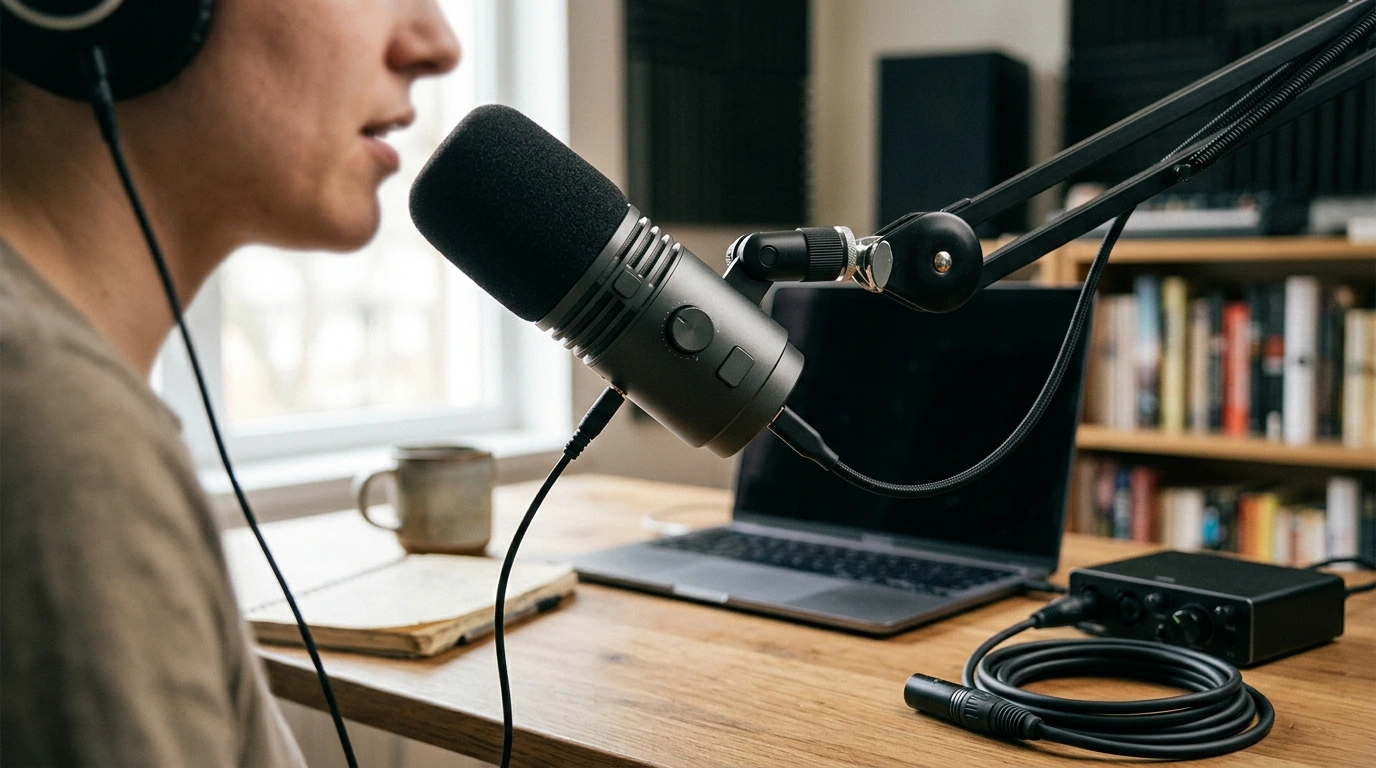
USB/XLR Dynamic Microphone with Gain Control, Real-Time Monitoring & Mute
A dual-output dynamic microphone can cover everything from quick USB plug-and-play recording to XLR setups with an interface or mixer. With onboard gain, a one-tap mute, and real-time headphone monitoring, it’s built for clearer speech, faster workflow, and fewer recording mistakes during streaming, podcasts, meetings, and voiceovers. For more guidance, see Reviews by Headphones and Coffee | Page 2.
If you’re shopping for a flexible mic that can start simple and grow with your setup, the USB/XLR Dynamic Microphone with Gain Control, Real-Time Monitoring & Mute is designed to make daily recording feel more controlled—without adding complexity. For further reading, see Maono PD200X USB/XLR Dynamic Microphone.
Who This Microphone Fits Best
- Podcasters and streamers who want a simple USB setup now and an XLR upgrade path later
- Remote workers who need dependable speech clarity and a quick mute during calls
- Voiceover creators looking for consistent close-mic tone with lower room noise pickup than many condensers
- Gamers and creators who want headphone monitoring to catch clipping, background noise, and plosives before they ruin a take
What “Dynamic + USB/XLR” Changes in Real Use
- Dynamic capsule behavior: generally less sensitive to distant sounds, helping reduce room echo, keyboard clicks, and HVAC noise compared with many condenser mics
- USB mode: connects directly to a computer for recording, streaming, or calls without extra audio gear
- XLR mode: connects to audio interfaces and mixers for expanded control (preamps, outboard processing, multi-mic workflows)
- Consistent workflow: one mic can serve travel/portable recording (USB) and a desk studio setup (XLR)
For a deeper primer on how dynamic microphones compare to condensers, see Shure’s overview of dynamic vs. condenser microphones.
Onboard Gain Control: Faster Level Setting
- Dial in an appropriate level at the microphone to avoid recordings that are too quiet or distorted
- Aim for healthy levels: speech should be strong without hitting constant peaks; leave headroom so laughs or emphasis don’t clip
- If the signal is noisy, bring the mic closer and reduce room noise before adding more gain
- When using XLR into an interface, balance the mic’s control and the interface preamp so neither stage is pushed too hard
A practical baseline for spoken word is to stay close to the mic (often 2–6 inches), set gain so your normal voice is comfortably strong, then do a 10–15 second test read that includes your loudest “podcast voice” moment. Adjust once, then try to keep your distance and angle consistent.
Real-Time Monitoring: Hear the Truth While Recording
- Headphone monitoring helps catch mouth clicks, plosives, and distortion immediately
- Useful for live streaming: verify that voice stays consistent when turning your head or backing away from the mic
- Monitoring can reduce retakes by revealing problems early (popping P’s, cable noise, bumping the desk)
- If monitoring sounds delayed, prefer direct/real-time monitoring from the microphone or audio interface rather than software monitoring
Direct Monitoring vs Software Monitoring
| Type | What You Hear | Typical Result | Best For |
|---|---|---|---|
| Direct (real-time) monitoring | Mic signal routed to headphones before software processing | Very low delay | Streaming, live calls, confident performance |
| Software monitoring | Mic signal after it passes through the computer/app | Can have noticeable delay depending on buffer/CPU | Processed monitoring (effects), non-live practice |
If you’re troubleshooting monitoring delay, the Audacity latency guide explains why buffering creates lag and what typically reduces it.
Mute Button: Clean Cuts Without Scrambling
USB Setup Checklist (Quick Start)
Common USB Troubles and Fixes
| Issue | Likely Cause | Fix |
|---|---|---|
| Audio too quiet | Mic too far / gain too low | Move closer; increase mic gain gradually |
| Distortion/clipping | Gain too high / speaking too close | Lower gain; back off slightly; use pop filter |
| Echo/room sound | Mic too far / reflective room | Move closer; add soft furnishings; lower room noise |
| Delay in headphones | Software monitoring enabled | Use direct monitoring or reduce buffer size in the app |
XLR Setup Checklist (Interface or Mixer)
Sound Quality Tips That Make the Biggest Difference
What to Look For in a Dual-Output Dynamic Mic
When you’re ready to choose a mic that supports both quick calls and “press record” sessions, the USB/XLR Dynamic Microphone with Gain Control, Real-Time Monitoring & Mute keeps the core controls within reach, so you spend less time fixing audio and more time delivering it.
USB/XLR Dynamic Microphone with Gain Control, Real-Time Monitoring & Mute: At-a-Glance
Quick Summary
| Feature | Why It Matters |
|---|---|
| USB + XLR outputs | Flexible setup today, expand later without changing microphones |
| Gain control | Faster level adjustments; fewer distorted or too-quiet recordings |
| Real-time monitoring | Hear issues immediately and fix them on the spot |
| Mute button | Instant silence for interruptions during live sessions |
Helpful Picks for Creators Building a Consistent Workflow
- From Dream to Done: The Ultimate Business Goal-Setting Checklist — a simple way to map recording schedules, launch dates, and repeatable production steps.
- Smart Moves: Save Money & Pay Bills Like a Pro — useful for freelancers and side-hustle creators planning gear budgets and monthly expenses.
FAQ
Does a dynamic microphone reduce background noise?
Often, yes—dynamic mics are typically less sensitive to distant sound than many condensers, which can help reduce room echo and background noise. Close placement (a few inches away) and lowering the room noise source matter more than mic type alone.
Why does headphone monitoring sometimes sound delayed?
Delay usually comes from software monitoring, where audio is routed through the computer and buffered before you hear it. Using direct monitoring from the microphone or interface (or reducing the app’s buffer size) typically minimizes latency.
Can USB and XLR be used at the same time?
It depends on the specific microphone design—some models only allow one output to be active at a time. If both can run simultaneously, be careful to avoid routing both signals into the same mix, which can create echo or doubled audio.















Leave a comment