16L Ultralight Waterproof Cycling Backpack: Rain-Ready
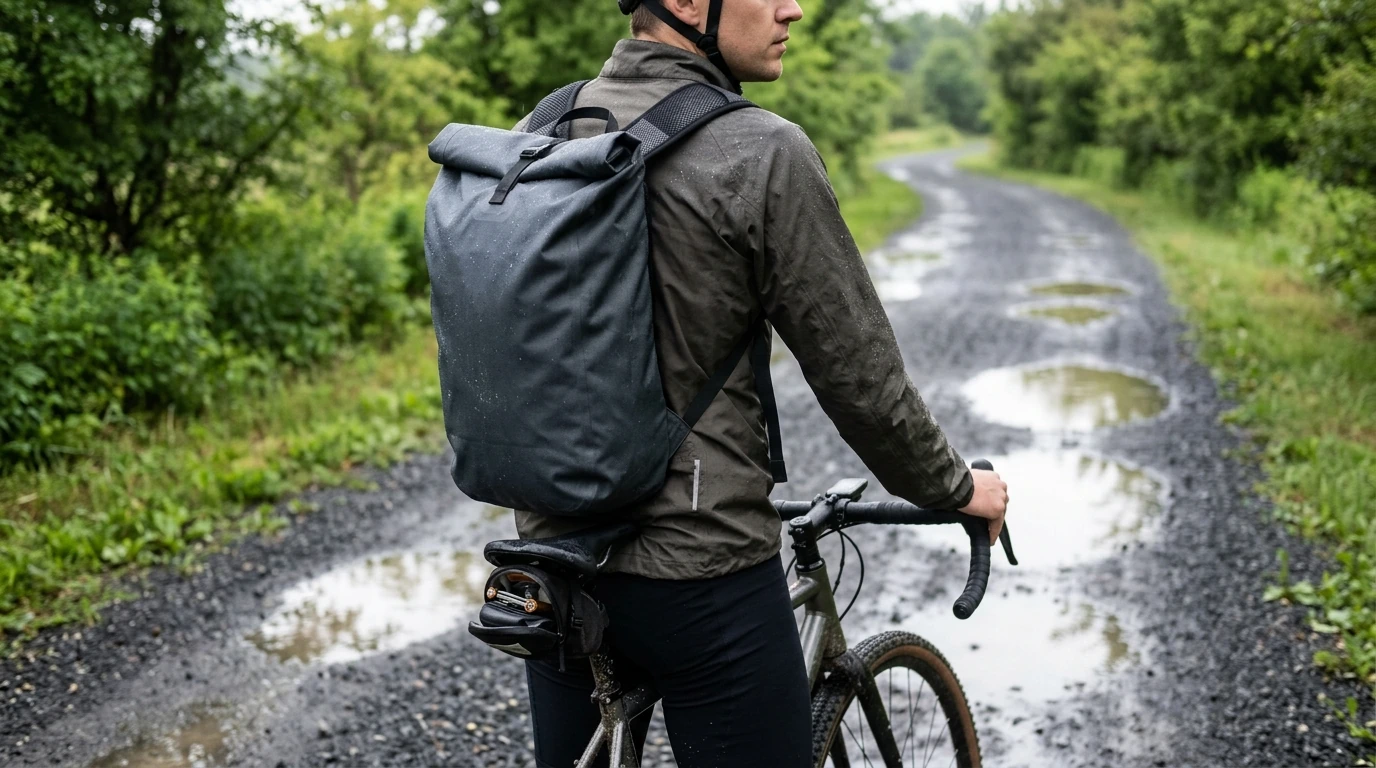
Ultralight 16L Waterproof Cycling & Outdoor Sports Backpack: Comfort, Storage, and Rain-Ready Performance
An ultralight waterproof backpack can make the difference between an easy ride and a soggy, uncomfortable one—especially for commutes, gravel spins, day hikes, and fast-paced outdoor training. A 16L capacity hits a practical middle ground: enough room for essentials without the bulk that throws off balance on a bike. Below is a clear breakdown of what matters most—fit, weather protection, organization, and real-world use—plus a simple checklist to match the pack to the way rides and outdoor days actually happen.
What “Ultralight” and “Waterproof” Should Mean for Riders
“Ultralight” should feel like low-bulk carry: a streamlined profile that stays stable when standing to pedal or moving quickly on trails. “Waterproof” should focus on protecting what’s inside—sealed materials and closures that resist steady rain and road spray matter more than a label alone.
There’s also a tradeoff between fast access and dryness. More pockets and openings add convenience, but every seam and zipper can become a leak point. For wet routes, a simpler design with fewer openings is often the safer bet.
Finally, sweat management matters. A pack can repel rain and still feel miserable if it traps heat. Breathable back panels and straps help reduce clamminess on climbs and warm commutes—an important comfort/safety consideration during heat and humidity (see CDC guidance on heat illness prevention at https://www.cdc.gov/heat-health/prevention/index.html).
Quick Guide: Backpack Features and Why They Matter on a Bike
| Feature | Why it matters | Best for |
|---|---|---|
| 16L capacity | Carries layers, tools, snacks, and small gear without feeling oversized | Commutes, day rides, short hikes |
| Water-resistant shell / waterproof build | Protects contents from rain and wheel spray | Wet climates, shoulder seasons |
| Ergonomic shoulder straps | Reduces pressure points and improves stability | Longer rides, daily use |
| Chest/waist stabilization (if included) | Limits sway when sprinting or on rough terrain | Gravel, trail riding, running segments |
| Multiple compartments | Separates wet/dirty items from electronics and food | Gym + commute, mixed-activity days |
Fit and Comfort: The Details That Prevent Shoulder and Neck Fatigue
Comfort on a bike is less about thick padding and more about how the backpack sits on the body under motion. Strap shape and moderate padding help straps lie flat without rubbing the neck and collarbone. Overly bulky foam can feel cozy at first but often traps heat and shifts around once you start sweating.
A supportive back panel keeps the load from sagging away from your spine. If there are airflow channels or a textured panel, that can reduce sweat buildup during climbs or when riding in a jacket. Stability is the real test: a properly fitted pack should feel like part of your torso—no bouncing when you accelerate, corner, or hop a curb.
Adjustment range matters for real life. A pack that fits over a thin jersey but becomes unstable over a rain shell isn’t truly versatile. When dialing in fit, pack heavier items (lock, tools, water) closest to your back and centered to reduce shoulder pull and improve control on descents and quick turns.
Storage and Organization for Real Rides
A 16L backpack shines when the layout supports the way people actually ride. For daily commutes, the typical carry list is simple: phone, wallet, keys, small pump or CO₂, tube, tire levers, mini tool, light gloves, and a packable shell.
For longer day rides, add snacks, a warmer mid-layer, basic first-aid items, and a compact charging cable or power bank if you use phone navigation or a GPS. Many riders also carry small maintenance essentials; the Adventure Cycling Association’s maintenance basics can help you decide what makes sense for your routes and repair comfort level (https://www.adventurecycling.org/resources/blog/).
Rain-Ready Use: How to Keep Gear Dry and Protected
After the ride, empty the pack, wipe down the exterior, and let the interior air dry to reduce odor and protect coatings. For storm planning and safety (especially when rain intensity rises), review NOAA guidance at https://www.weather.gov/safety/.
Ultralight 16L Waterproof Cycling & Outdoor Sports Backpack: What It’s Good For
In-Stock Picks to Build a Simple, Rain-Ready Setup
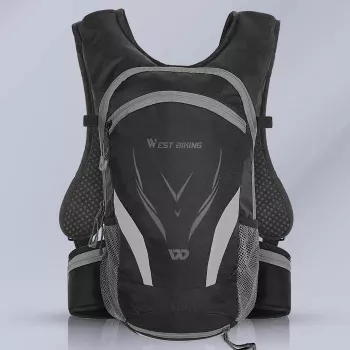
- Ultralight 16L Waterproof Cycling & Outdoor Sports Backpack (a practical size for tools, layers, and daily essentials)
- From Dream to Done: The Ultimate Business Goal-Setting Checklist (useful for mapping training blocks, commute routines, or weekend adventure plans)
- Budget Like a Redditor: Real-Talk, Real Results (handy if you’re organizing gear spend, maintenance costs, and trip savings)
Simple Packing Checklist for a 16L Day
FAQ
Is a 16L backpack enough for cycling and day hiking?
For most commutes and day outings, 16L is enough for tools, a compact rain shell, a mid-layer, snacks, and small essentials. You’ll want a larger pack when carrying bulky winter insulation, a laptop plus shoes, or extra gear for long cold-weather rides.
How should a cycling backpack fit to prevent bouncing?
Position the pack higher on your back, snug the shoulder straps evenly, and use chest/waist stabilization if available. Pack heavier items close to your spine and centered so the load doesn’t swing when you accelerate or corner.
Does waterproof mean contents stay dry in heavy rain?
It depends on the seams, closures, and how often the pack is opened during the storm. For best results in sustained heavy rain, keep electronics and documents in an internal pouch or dry bag as backup protection.













Leave a comment