Ultra-Light Baitcasting Reel: 7.1:1, Mag Brake, 11lb Drag
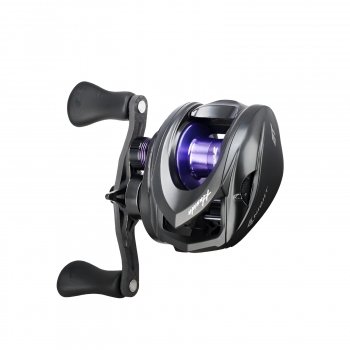
Ultra-Light Baitcasting Control: Fast Pickup, Easy Casting, Confident Pressure
Ultra-light baitcasting is all about control: making small lures cast cleanly, keeping a tight connection to the bait, and having enough drag to land fish without overpowering light line. A fast 7.1:1 retrieve paired with magnetic braking and an 11 lb drag range is built for quick line pickup, confident lure control, and steady pressure when a fish surges boatside or near cover.
What this reel is built to do
An ultra-light baitcaster is designed for anglers who want finesse presentations without giving up the direct feel and accuracy baitcasting can provide. This style of reel is especially helpful when you’re casting all day and want a setup that stays balanced in hand.
- Support finesse baitcasting where light presentations benefit from a compact, lightweight reel feel.
- Provide fast line pickup for techniques that need quick slack management (jerkbaits, small jigs, soft plastics, topwater).
- Reduce overrun risk with magnetic braking that’s easy to adjust as lure weight, wind, or casting style changes.
- Offer enough drag headroom for stronger fish while still being usable with lighter leaders.
Key specs at a glance
When comparing finesse-oriented reels, it helps to translate specs into on-the-water outcomes. Here’s the quick breakdown of what a 7.1:1 ratio, magnetic brakes, and 11 lb drag mean in practical use.
- 7.1:1 gear ratio for fast retrieves and quick slack removal.
- Magnetic brake system for consistent, dial-in casting control.
- 11 lb drag rating for steady pressure on runs and surges.
- Ultra-light build focus for reduced fatigue and better rod balance during all-day casting.
Specs snapshot
| Feature | What it means on the water |
|---|---|
| 7.1:1 gear ratio | Faster line pickup; helps keep contact with the lure and react quickly to strikes |
| Magnetic braking | Adjustable cast control; helps limit backlash as conditions change |
| 11 lb drag | More stopping power for stronger fish; allows smoother pressure when set correctly |
| Ultra-light profile | Less wrist fatigue; better pairing with lightweight finesse rods |
How the 7.1:1 ratio changes lure control
A faster retrieve doesn’t just “burn” a bait. In finesse scenarios, it’s often about recovering slack and staying connected—especially when a fish eats on a semi-slack line or moves toward you after the strike.
- Improves slack management when working bottom-contact baits or twitching moving baits.
- Helps speed up presentations when covering water or matching faster forage.
- Makes it easier to keep fish pinned by quickly regaining line after a jump or directional change.
- Trade-off to note: faster ratios can feel less “winchy” under heavy resistance baits; adjust technique and drag accordingly.
For higher-resistance lures (like deep cranks), a fast reel can still work, but it’s usually more comfortable to use a steady retrieve and let the rod load rather than trying to overpower the bait. For most light hardbaits, soft plastics, and topwaters, the quick pickup is a net advantage.
Magnetic braking: when it helps most
Magnetic brakes shine when you’re throwing lighter lures or changing conditions frequently. Rather than relying only on thumb pressure to manage spool speed, you can “dial in” predictable control and then fine-tune with your thumb.
- Useful for lighter lures that are more sensitive to wind gusts and sudden spool acceleration.
- Supports consistent casting when switching between lure weights during a session.
- Practical tuning approach: start with more braking for initial control, then reduce gradually as thumb timing improves.
- Pairs well with careful spool tension setting to prevent early-spool overrun.
If you’re fishing open banks one minute and then skipping at close range the next, being able to adjust braking quickly is a real quality-of-life upgrade.
11 lb drag: setting it for light line and leaders
Drag ratings are maximum capacity, not a “required setting.” For finesse baitcasting, the goal is smooth, consistent pressure matched to your line and hooks—not cranking down as tight as possible. For general line class guidance, the International Game Fish Association (IGFA) is a helpful reference point.
Best technique matches for an ultra-light baitcaster
Tuning and setup checklist
Need a refresher on tackle fundamentals? Take Me Fishing has solid beginner-to-intermediate education that pairs well with hands-on practice.
Care and maintenance for consistent performance
Ultra-light reels benefit from simple, consistent care. If you want a straightforward reference for general reel upkeep, see Shimano’s maintenance basics for guidance that applies broadly across reel types.
Product option in stock
- Smart Moves: Save Money & Pay Bills Like a Pro – Your Ultimate Guide to Financial Freedom
- Budget Like a Redditor: Real-Talk, Real Results | How to Budget Reddit-Style Guide | Digital Download eBook for Budgeting Help
Compare related options such as Ultra-Light Baitcasting Reel 7.1:1 Ratio with Magnetic Brake & 11 lb Drag to match features, dimensions, and use case before choosing.
FAQ
Is a 7.1:1 baitcasting reel good for finesse fishing?
Yes—fast ratios excel at picking up slack quickly, which improves lure control and hook-up consistency with finesse presentations. The main trade-off is less “winching” feel on high-resistance baits, so rod choice and a steady retrieve help balance it out.
How should magnetic brakes be set to reduce backlash with light lures?
Start with higher braking and moderate spool tension for the first few casts, then back the brake off in small increments as control improves. Increase braking again when the wind kicks up or when you drop down to a lighter lure.
Is 11 lb drag too much for light line?
No—11 lb is the maximum capability, not the setting you must use. Set the drag lower to match your line and leader strength, prioritizing smooth pressure so surges don’t cause break-offs.















Leave a comment