Warm Knitted Hooded Pet Sweater: Cozy Cold-Weather Fit
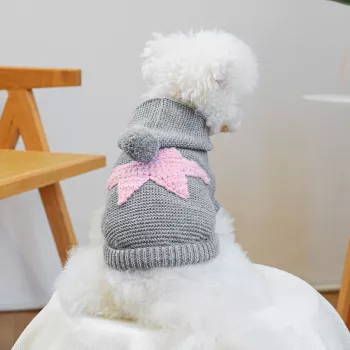
Cold days can be tough on small pets, short-coated breeds, seniors, and indoor cats that aren’t used to chilly drafts. A knitted hoodie-style sweater adds an extra layer for walks, car rides, and cozy time at home while keeping movement comfortable and unrestricted.
Why a Hooded Knit Sweater Helps in Cooler Weather
Smaller bodies tend to lose heat faster, especially when the wind picks up or the ground is cold. A hooded knit sweater offers a simple way to add warmth without the stiffness of heavy outerwear.
- Adds a light insulating layer to help reduce shivering during quick potty breaks and short walks
- Helps protect the chest, back, and neck area where pets can lose warmth quickly
- Hood offers optional coverage for breezy conditions without forcing it over sensitive ears
- Useful for pets that prefer warmth indoors near AC vents or drafty windows
- A practical option for small dogs and cats that don’t tolerate bulky coats
For general cold-weather safety guidance—especially during temperature drops—review recommendations from the American Veterinary Medical Association (AVMA) and the ASPCA.
Product Highlights: Warm Knitted Hooded Pet Sweater
If you’re looking for an everyday layer that feels soft, bends easily with your pet, and keeps the “getting dressed” routine low-stress, the Warm Knitted Hooded Pet Sweater for Small Dogs and Cats is a cozy option to keep on hand through seasonal transitions.
- Knit construction designed for warmth with a soft, flexible feel
- Hooded style for extra coverage and an easy layered look
- Made for small dogs and cats; best for pets that need warmth without heavy outerwear
- Everyday use: lounging at home, travel days, vet visits, and chilly morning walks
- Simple care routine helps keep the sweater ready throughout the season
On truly cold or windy days, a sweater can also function as a comfortable base layer under a weather-resistant shell. The American Kennel Club shares additional winter precautions for dogs here: AKC Winter Safety Tips.
Sizing and Fit: Getting It Comfortable (Not Tight)
Fit is what makes a sweater feel soothing instead of annoying. Before ordering, measure carefully and compare your numbers to the sizing guide shown on the product page.
- Measure the chest (girth) at the widest point and the back length from neck to tail base; compare to the product sizing guide on the product page
- Aim for a snug-but-not-restrictive fit: two fingers should slide comfortably between fabric and body at the chest
- Check mobility: the sweater should not rub the armpits or restrict shoulder movement
- For cats, prioritize chest and neck comfort; avoid anything that causes crouching, freezing, or backing out
- If between sizes, choose the roomier option for fluffy coats or broad chests; choose snugger for slim-bodied pets that slip out of clothing
Quick Fit Check Before Heading Out
| Checkpoint | What to look for | Fix if needed |
|---|---|---|
| Neck | Comfortable around the neck; hood lies flat when not used | Size up if the neckline presses or causes scratching |
| Chest | No pinching; breathing remains normal and relaxed | Size up or adjust if the fabric stretches excessively |
| Leg openings | No rubbing at armpits; free stride | Try a different size or style if chafing occurs |
| Back length | Covers the back without bunching near tail | Choose a shorter/longer size based on measurement |
| Overall comfort | Pet can sit, lie down, and walk normally | Remove if the pet freezes, chews, or shows stress |
When to Use It (and When to Skip It)
A sweater is most helpful when it fills a specific comfort gap—like cold floors, brief outdoor trips, or breezy mornings—without becoming something your pet “tolerates.”
- Great for: small breeds, puppies on quick outings, seniors, short-haired pets, and indoor cats in cool homes
- Skip or limit use: overheating risk indoors with active play or near heaters; remove if panting increases
- Avoid in heavy rain or wet snow unless layered under a waterproof shell (knit fabric can hold moisture)
- Do not leave clothing on unsupervised if the pet is prone to chewing fabric or getting caught on furniture
- If a pet has skin irritation, surgical sites, or a medical condition, confirm with a veterinarian before regular wear
Comfort and Safety Tips for Dogs and Cats
The smoothest experience comes from treating clothing like harness training: slow, positive, and always optional if your pet shows stress.
Care and Maintenance
A Cozy Option for Everyday Wear
Shop In-Stock Picks
- Warm Knitted Hooded Pet Sweater for Small Dogs and Cats (In stock)
- Smart Moves: Save Money & Pay Bills Like a Pro – Your Ultimate Guide to Financial Freedom (In stock)
- Budget Like a Redditor: Real-Talk, Real Results | How to Budget Reddit-Style Guide (In stock)
FAQ
How do I know if my pet is too cold and needs a sweater?
Common signs include shivering, reluctance to go outside, a tucked tail, or repeatedly seeking warm spots. Small pets, short-haired breeds, seniors, and thin-coated indoor cats are often more sensitive to chill. If you suspect illness or pain (not just cold), check with a veterinarian.
Can cats wear hooded sweaters safely?
Yes, as long as the sweater fits well and your cat is introduced gradually with supervision. Keep the hood down if your cat dislikes head coverage, and confirm they can walk, jump, and turn normally. Remove it if you see stress signs like freezing, hiding, or trying to back out.
Should my dog wear this sweater indoors?
Indoor wear can help in drafty homes or during low-activity lounging, especially for small or short-coated dogs. Take it off during play, near heaters, or anytime you notice panting or restlessness. Comfort should improve, not create heat buildup.













Leave a comment