Build an AI-Personalized Bedtime Routine for Better Sleep
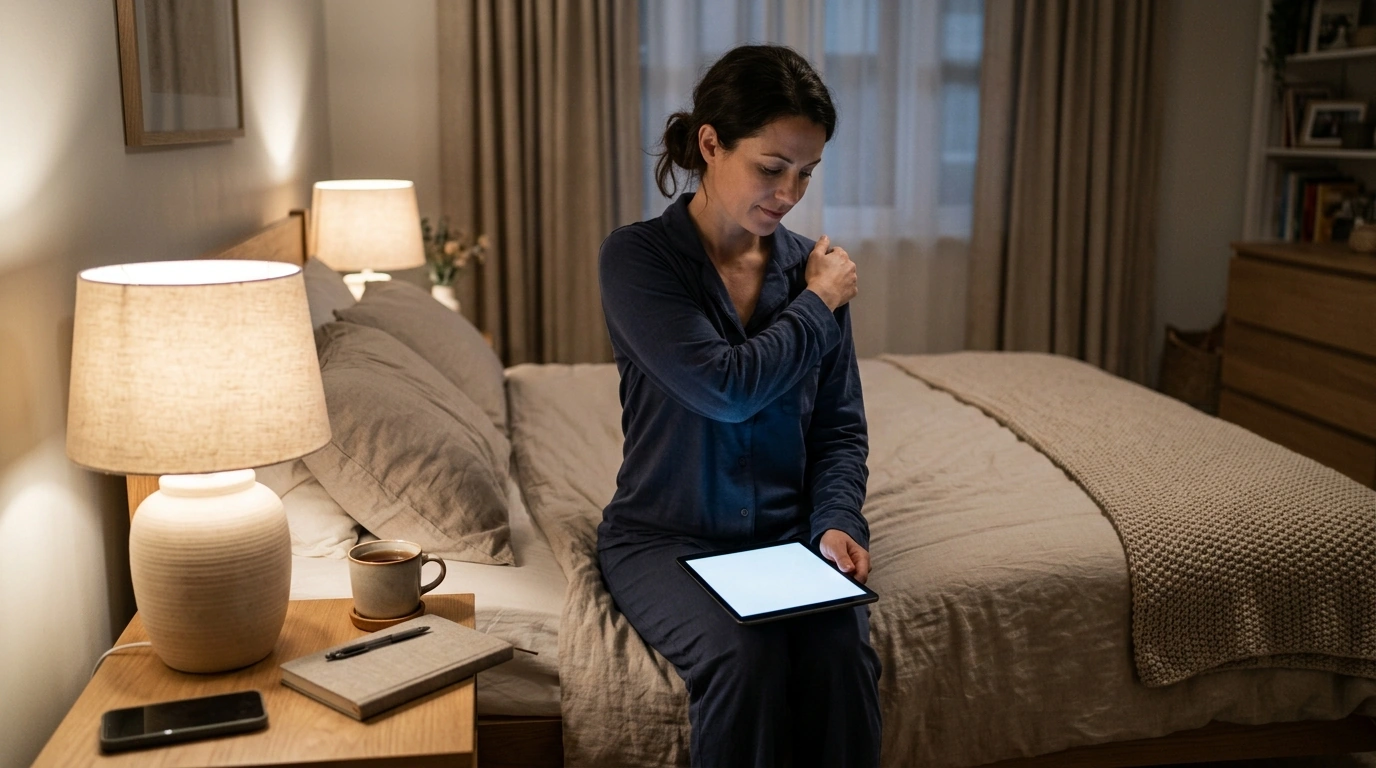
Sleep Smarter with AI: A Personalized Bedtime Routine That Fits Real Life
A consistent wind-down routine can make it easier to fall asleep, stay asleep, and wake up feeling more restored. An AI-assisted routine guide adds structure and personalization by turning a few inputs—schedule, stress level, caffeine timing, screen habits, and sleep goals—into clear nightly steps that are easier to follow than generic advice. The goal isn’t perfection; it’s repeatable cues that help your brain and body shift from “day mode” to “sleep mode.”
Why a personalized bedtime routine works better than generic tips
Most sleep advice is technically correct but practically mismatched. Sleep habits depend on timing, light exposure, stress, and daily obligations—so personalization removes friction that makes routines fail.
- Consistency builds a sleep association: repeating the same cues (dim lights, warm shower, reading) trains the body to recognize “it’s time to downshift.”
- Realistic beats “ideal”: a routine that fits your chronotype, family schedule, and workload is more likely to stick than a perfectly optimized plan you can’t maintain.
- Small changes add up: moving a caffeine cutoff earlier, tightening a wind-down window, or lowering evening light often outperforms dramatic overnight overhauls.
For foundational sleep hygiene guidance, the CDC sleep resources and the National Heart, Lung, and Blood Institute both emphasize regular schedules, a supportive environment, and habits that reduce stimulation close to bedtime.
What AI adds to a bedtime routine (and what it can’t replace)
AI is useful when it acts like a practical coach: it turns messy real-life constraints into a plan you can actually do.
- It converts constraints into a workable timeline: target bedtime window, wake time, commute, workouts, and evening responsibilities.
- It suggests step-by-step sequences: quiet routines, family-friendly routines, social-night “reset” routines, and travel mode options.
- It helps you spot patterns: tracking what changed on better vs. worse nights—late meals, alcohol, stress spikes, or a surprise evening nap.
What AI can’t do: it cannot diagnose sleep disorders. Persistent insomnia, loud snoring, choking/gasping, or severe daytime sleepiness should be evaluated by a clinician. For additional education on when to seek help, see the American Academy of Sleep Medicine’s Sleep Education resources.
How to set up an AI-guided wind-down in 10 minutes
Set up is simple: define your anchors, list your non-negotiables, and choose a few repeatable cues.
- Choose a fixed wake time for most days; keep bedtime as a window (for example, 10:30–11:15) instead of a single strict minute.
- List nighttime non-negotiables (kids’ bedtime, chores, meds, pet care) so the routine builds around reality.
- Record timing anchors: last caffeine, last heavy meal, exercise end time, and typical screen time.
- Pick 2–3 cues you can repeat nightly: dim lights, a warm caffeine-free drink, brief stretching, or a short journal prompt.
- Start with 30–45 minutes of wind-down; expand only after consistency is easy.
- Plan for “can’t fall asleep” nights: if you’re awake about 20 minutes, do a quiet low-light activity, then return to bed when sleepy.
Quick setup checklist for personalized routine suggestions
| Input | Examples | Why it matters |
|---|---|---|
| Wake time | 6:30–7:30 AM | Anchors circadian rhythm and routine consistency |
| Evening constraints | Kids, work calls, chores | Keeps the plan realistic and repeatable |
| Stimulants & meals | Caffeine cutoff, dinner time | Affects sleep onset and night awakenings |
| Screens & light | Phone in bed, bright TV | Light and arousal can delay melatonin signals |
| Preferred wind-down | Reading, stretch, shower, meditation | Improves adherence and reduces effort |
A sample AI-personalized routine (adjustable templates)
Use this as a flexible template, then adjust one variable at a time based on what actually improves your nights.
- 60–90 minutes before bed: finish heavy tasks; switch to lower-demand activities and dim overhead lights.
- 45–60 minutes before bed: hygiene routine plus one calming cue (warm shower, skincare, or light stretching).
- 30 minutes before bed: screens off or strictly limited; prep tomorrow (clothes, bag, top 3 priorities).
- 10 minutes before bed: brain-dump journaling or guided breathing to reduce mental “spin.”
- Lights out: cool, dark, quiet bedroom; if your mind races, briefly return to a low-light quiet activity.
- Weekly: review what worked and adjust one input (bedtime window, caffeine cutoff, evening light exposure).
If you want a structured, fill-in format that turns these inputs into nightly steps, the Sleep Smarter with AI – Bedtime Routine Guide for Better Rest (Digital Download) is designed to make the routine feel like a practical checklist instead of a vague intention.
Common barriers and AI-friendly fixes
What’s included in the digital download and how to use it
To pair better sleep with better mornings, consider planning tomorrow in a way that doesn’t spike nighttime stress. The From Dream to Done: The Ultimate Business Goal-Setting Checklist (Printable PDF) can help you capture priorities earlier in the day so bedtime doesn’t become an emergency planning session.
FAQ
How quickly can a bedtime routine improve sleep?
Some people notice easier sleep onset within a few days, especially when evening light and screens are reduced. More stable sleep and fewer awakenings often take a few weeks of consistency, so focus on one change at a time and track what helps.
Is an AI-guided routine safe to follow?
It’s generally safe when used for habits and environment—light, timing, and relaxation—not as medical advice. If you have chronic insomnia, loud snoring, breathing pauses, choking/gasping, or severe daytime sleepiness, seek professional evaluation.
What information should be used to personalize AI bedtime suggestions?
Use your wake time, a realistic bedtime window, caffeine/alcohol timing, meal timing, exercise timing, screen habits, stress level, bedroom temperature/light/noise, and preferred calming activities. The more accurate the inputs, the more doable the nightly steps.
















Leave a comment