Smart AI Ways to Monitor Pet Anxiety at Home
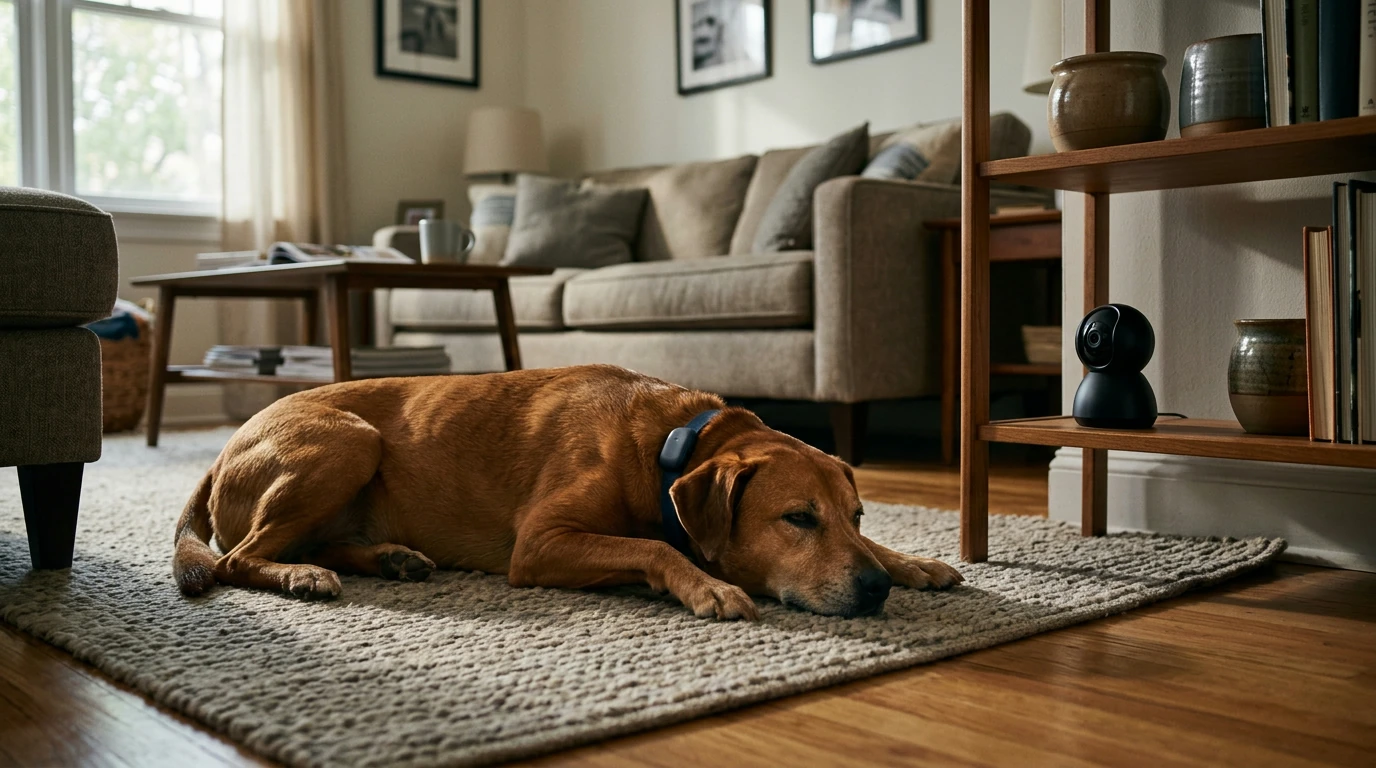
Changes in your pet’s routine can be unsettling, especially when you cannot tell what happens while you are away. A dog that vocalizes more or a cat that changes its grooming habits may be responding to something in the home, experiencing a health problem, or showing a temporary change in behavior.
We can use everyday observation alongside cameras, apps, and wearables to spot patterns worth exploring. These tools do not diagnose anxiety, but they can help you collect useful information for a conversation with your veterinarian.
Start with everyday behavior
Each dog and cat has its own habits, so a useful first step is to notice what is typical for your pet. Possible signs of distress can include more frequent vocalization, changes in activity or appetite, altered grooming, hiding, or difficulty settling. Not every pet shows the same signs, and a single behavior does not tell you what your pet is feeling.
When you notice a change, record three details: when it happened, what occurred just before it, and roughly how long it lasted. For example, you might note that your dog paced for several minutes after you picked up your keys, or that your cat hid after visitors arrived.
Keep an open mind about possible causes. Behavior can change because of pain, illness, a disrupted routine, household noise, or other environmental factors. A change alone is not proof of anxiety. The ASPCA’s guidance on separation anxiety in dogs offers more context on behaviors that may occur around departures and time spent alone.
Choose a monitoring approach
The right tool depends on what you want to observe. A camera may show what happens after you leave, while an app can keep your notes organized. A wearable may reveal changes in activity or rest, depending on what the device measures. You can use one approach or combine them without trying to track every moment.
| Option | What it may help track | Consideration |
|---|---|---|
| Home camera | Visible behavior and vocalizations while you are away | Camera coverage and recording privacy vary |
| Tracking app | Owner-entered observations and routines | Useful records depend on consistent entries |
| Wearable | Activity or rest patterns, depending on the device | Fit and comfort matter; measurements vary |
Look beyond the alert
Some tools use AI to flag movement, sounds, or changes in activity. Treat an alert as a prompt to review the context, not as a diagnosis or a direct measurement of anxiety. A camera can miss behavior outside its view, and a wearable’s activity reading cannot explain why your pet moved more or less than usual.
Before choosing a device, consider whether your dog or cat tolerates wearing it comfortably. Make sure it is suitable for your pet, fits securely without rubbing or restricting movement, and does not create a snagging hazard. For cameras and apps, review recording settings and who can access your data. Also consider subscription fees and other ongoing costs, not just the initial purchase.
Turn observations into a useful routine
Start by establishing a baseline over several days. Note your pet’s usual rest and activity, meal routine, and responses when people leave or return. If your schedule varies, include both busy and quieter days so you have a more useful comparison.
Keep entries brief enough that you can maintain them. A note might include the time, the behavior, its duration, and any nearby event. If a camera captures a relevant moment, save a short recording rather than relying only on an automated summary.
Review your notes alongside changes such as visitors, schedule shifts, construction sounds, or a new household routine. Patterns can help you describe what you are seeing, but they do not establish the cause. Share relevant notes or recordings with your veterinarian when behavior changes or distress persists. Contact your veterinarian promptly about sudden or concerning changes, since medical issues can contribute to behavior changes.
Explore the practical ebook guide
Our Smart AI Ways to Understand and Monitor Pet Anxiety ebook is a starting point for dog and cat owners comparing wearables, apps, and home monitoring. It focuses on ways to observe behavior and consider technology alongside your own notes—not on replacing veterinary care.
The listed price is $22.99. Visit the product page for current purchase details. If you are weighing a camera or subscription against other household expenses, our Smart Moves: Save Money & Pay Bills Like a Pro guide offers a separate resource for managing your budget.
Our team recommends starting with the question you want to answer: Does your pet settle after you leave, or has its activity changed across the day? Choose an observation method that fits that question and your pet’s comfort, then bring concerns to your veterinarian.
FAQ
Can AI tell whether my pet has anxiety?
AI tools may flag behavioral or activity patterns, but they cannot diagnose anxiety. A veterinarian can help assess possible causes.
Do I need a wearable to monitor my pet at home?
No. Your own notes and a home camera can also help reveal patterns; choose tools that suit your pet and the behavior you want to observe.
When should I talk to a veterinarian about a behavior change?
Talk to your veterinarian when a change is persistent, concerning, or sudden. Medical issues can contribute to changes in behavior.















Leave a comment