AI Color Palettes for Outfits: Mix-and-Match Wardrobe
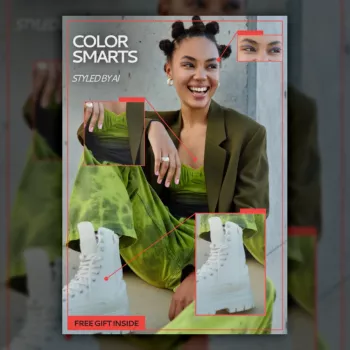
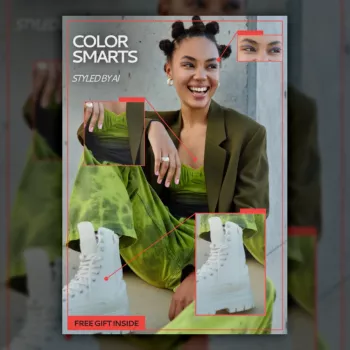
Color Smarts, Styled by AI: A Practical Guide to Color Palettes and Effortless Outfit Building
Great style gets easier when color decisions become simple, repeatable, and personal. Instead of guessing what “goes,” an AI-assisted palette turns your closet into a mix-and-match system—so you can get dressed faster for work, weekends, events, and travel without constantly buying more. The goal isn’t perfection; it’s fewer outfit dead-ends and more combinations that feel like you.
What “AI color smarts” means for everyday outfits
Think of “AI color smarts” as taking the fuzzy idea of “matching” and turning it into a clear recipe. A good system uses a small set of base, accent, and neutral shades that mix cleanly, so outfits look intentional even when they’re simple.
- Turns color into a system: a tight set of neutrals + main colors + accents that work together.
- Helps avoid common clashes like undertone mismatch, competing saturations, and too many focal colors.
- Speeds up daily decisions by suggesting combinations from what you already own.
- Stays consistent across seasons: lighter tints in warm months, deeper tones in colder months.
For extra inspiration on how color relationships work, the Color Matters color theory overview is a helpful reference, and the Adobe Color Wheel makes it easy to visualize complementary and analogous pairings.
Start with the three pillars: undertone, contrast, and saturation
1) Undertone
Undertone is the warm/cool/neutral “temperature” your skin naturally reads as. Keeping colors aligned with your undertone tends to make your face look clearer and your outfit look more harmonious.
- Warm undertone: golden, peachy, or olive warmth tends to suit cream, camel, warm browns, tomato red, and many earthy shades.
- Cool undertone: rosy or bluish tones often look great in crisp white, charcoal, cool navy, true red, cobalt, and icy pastels.
- Neutral undertone: can usually wear both, but still benefits from a consistent palette approach.
Quick check: hold gold and silver jewelry near your face in natural light. The one that looks cleaner and makes your skin look more “alive” is often your best metal cue.
2) Contrast
Contrast is the difference between your hair, skin, and eyes. Low-contrast features often look effortless in softer blends (cream + taupe + muted green). Higher-contrast features can carry bolder pairings (black + white, deep navy + bright accent) without the outfit wearing them first.
3) Saturation
Saturation is how dusty vs. vivid a color is. Muted palettes (smoky blues, mauves, soft olives) tend to feel more natural on people who look best in heathered knits and “washed” denim. Brighter palettes (clear jewel tones, crisp primaries) tend to click when vivid lipstick and sharp black-and-white outfits feel right.
Build a personal palette that’s easy to mix
A practical wardrobe palette isn’t a rainbow. It’s a small menu where almost everything can pair with almost everything else.
- Choose 2–3 core neutrals for your anchors (pants, coats, shoes, bags).
- Add 3–5 main colors that show up across tops, layers, and casual jackets.
- Pick 1–2 accent colors for small pops (bags, scarves, nails, statement earrings).
- Use a repeat rule: repeat a color at least twice in an outfit for cohesion (top + shoes, or bag + earrings).
| Palette role | How many | Best clothing categories | Easy examples |
|---|---|---|---|
| Core neutrals | 2–3 | pants, coats, shoes, bags | navy, charcoal, cream |
| Main colors | 3–5 | tops, dresses, knits, casual jackets | olive, burgundy, teal |
| Accents | 1–2 | accessories, prints, sneakers, lipstick | cobalt, coral |
| Metal | 1 | jewelry hardware | gold or silver |
| Print strategy | 1–2 | scarves, blouses, skirts | print that includes 2+ palette colors |
Outfit formulas that AI palettes make almost automatic
Once your palette is defined, outfit building becomes less about creativity-from-scratch and more about plugging pieces into a few reliable frameworks.
Use AI suggestions with what’s already in the closet
If you want a structured, step-by-step way to turn those tags and rules into daily outfit suggestions, Color Smarts, Styled by AI – Smart Fashion Guide for AI Color Palette Outfit Suggestions & Effortless Styling is designed to help you build a palette and actually use it, day after day.
Common color mistakes—and quick fixes
For color naming and trend context (useful when shopping online), the Pantone Color Institute is a widely referenced source.
A simple way to make AI-driven styling feel personal
Style gets easier when the rest of life is organized too. For planning seasons, launches, or routines that support your wardrobe goals, From Dream to Done: The Ultimate Business Goal-Setting Checklist pairs well with any “fewer decisions, more consistency” approach.
Color Smarts, Styled by AI: what it helps with
For anyone who wants to tighten spending while upgrading a wardrobe with intention, Budget Like a Redditor: Real-Talk, Real Results can help set simple rules that keep “just browsing” from turning into random-color regret.
FAQ
How many colors should be in a personal wardrobe palette?
A tight palette is usually best: 2–3 neutrals, 3–5 main colors, and 1–2 accents. That range maximizes mix-and-match options while cutting down decision fatigue.
What if a suggested palette doesn’t look good on skin tone?
Adjust the undertone (warmer/cooler), shift saturation (more muted or more clear), or move tricky colors away from the face (use them as pants, skirts, or shoes instead). Testing with tops or scarves first is an easy way to see what works quickly.
How can outfit suggestions work if the closet is mostly basics?
Basics are a strength because they’re flexible neutrals and clean foundations. Add one connector layer (like a cardigan or blazer) and one accent accessory, then use repeat rules and texture to make the outfit feel intentional.










Leave a comment