15 Skincare Ingredients Many People Avoid (With Reasons)
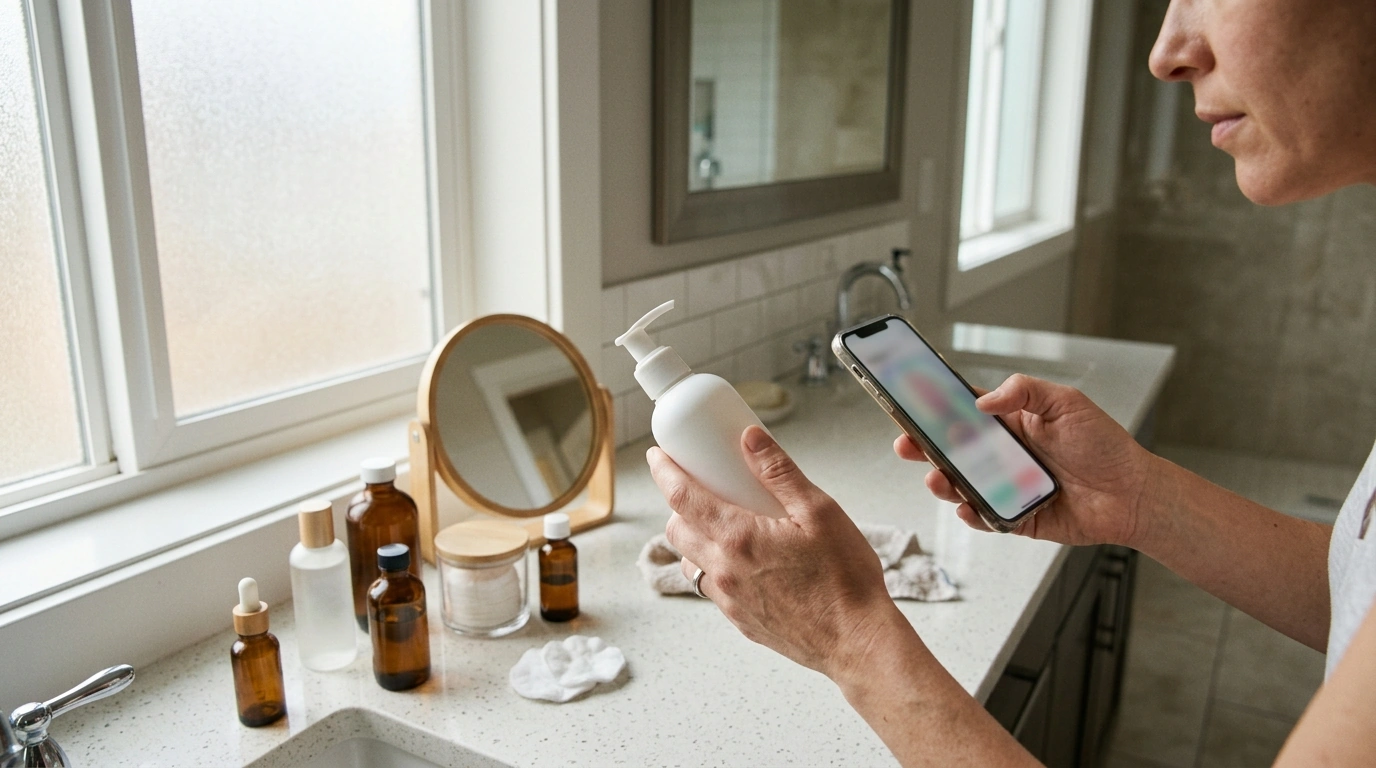
What are 15 toxic ingredients to avoid in SkinCare products?
When you’re scanning a label, it helps to know which ingredients tend to bring more risk than benefit—especially if your skin is sensitive, acne-prone, or you’re trying to minimize irritation over time. Our team put together this quick, practical list of 15 skincare ingredients many shoppers choose to avoid (or at least limit), along with what they’re commonly used for and why they raise concern.
15 ingredients many people avoid
1) Fragrance/Parfum (and “Aroma”): Common irritant and allergy trigger, especially in leave-on products.
2) Essential oils (e.g., citrus oils, peppermint, lavender): “Natural” doesn’t always mean gentle; can sting, sensitize, or trigger redness.
3) Denatured alcohol (Alcohol Denat., SD Alcohol 40): Can feel weightless but may dry out and disrupt the skin barrier.
4) Formaldehyde releasers (DMDM Hydantoin, Imidazolidinyl Urea, Diazolidinyl Urea, Quaternium-15): Preservatives that can release small amounts of formaldehyde.
5) Parabens (methylparaben, propylparaben): Preservatives some shoppers avoid due to hormone-related concerns.
6) Phthalates (often hidden in “fragrance”): Used to help scent last longer; commonly avoided for endocrine concerns.
7) Oxybenzone: UV filter more common in sunscreens; can irritate and is often avoided for sensitivity reasons.
8) Octinoxate: Another UV filter some people avoid due to irritation or preference for mineral filters.
9) Triclosan: Antibacterial ingredient typically unnecessary for skincare; can be harsh and controversial.
10) Hydroquinone: Potent pigment ingredient; can be irritating and is best used only with professional guidance.
11) Mercury compounds (calomel, mercurous chloride): Sometimes found in illegal skin-lightening products; avoid entirely.
12) Coal tar: Used for some scalp/skin conditions; can be irritating and isn’t ideal for casual cosmetic use.
13) Talc: Often in powders; some prefer to avoid due to contamination concerns.
14) Sodium Lauryl Sulfate (SLS): Strong cleanser/foamer that can strip and flare dryness.
15) Certain chemical exfoliants in high strength (high % glycolic/salicylic without buffering): Not “toxic” by default, but overuse can cause burns, barrier damage, and rebound sensitivity.
If you want a step-by-step way to check labels and spot these quickly, use our deeper guide here: https://keytreasurehub.shop/guide-ai-skincare-label-checks-ingredients-to-avoid/.
FAQ
How can I tell if a skincare product is irritating my skin?
Look for stinging, tightness, new redness, flaking, or breakouts that start soon after introducing the product. Stop use, simplify to a gentle cleanser and moisturizer, and reintroduce products one at a time to pinpoint the trigger.














Leave a comment