At-Home IPL Hair Removal Device Guide: Routine & Safety
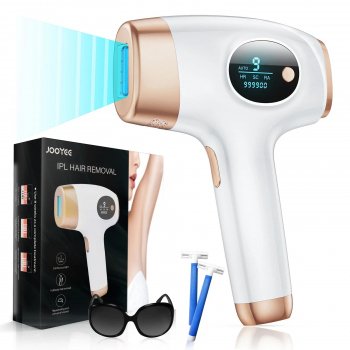
IPL Laser Hair Removal Device: At-Home Smoothness With a Simple Routine
Smooth skin shouldn’t require constant shaving, emergency waxing appointments, or guesswork. Our IPL Laser Hair Removal Device is built for a consistent at-home routine—quick sessions, targeted areas, and a plan you can actually stick with. Below is a practical guide to getting started safely, setting realistic expectations, and choosing a routine that fits your schedule.
What IPL is (and what it isn’t)
IPL stands for Intense Pulsed Light. It uses broad-spectrum light that targets pigment in the hair, helping reduce regrowth over time. The key word is “routine”: IPL works best when you repeat sessions consistently instead of treating it like a one-time fix.
IPL also isn’t the same as in-clinic laser hair removal. Professional systems can be more powerful and may be customized by a clinician; at-home IPL is designed for convenience and gradual progress. Results can vary based on skin tone, hair color, and how closely you stick to a schedule. In general, darker hair (more pigment) tends to respond better than very light hair.
If you want a deeper overview of light-based hair removal and safety basics, these references are helpful: American Academy of Dermatology Association, U.S. FDA, and Mayo Clinic.
Who this fits best (and when to skip IPL)
IPL is a strong match if you’re looking for lower-maintenance upkeep on areas like legs, arms, underarms, and the bikini line (maintenance on external areas). It can be especially appealing if your goal is fewer touch-ups over time and a smoother “in-between” period as hair regrowth slows.
There are also clear times to skip or pause. Avoid using light-based devices over tattoos or permanent makeup—inked skin can react unpredictably. Don’t treat skin that’s sunburned, actively irritated, inflamed, or healing from a recent chemical peel or strong exfoliation routine. And if you’re pregnant, taking photosensitizing medications, or managing an ongoing skin condition, it’s smart to check with a clinician so your plan stays safe.
Getting results: the routine that makes IPL work
Consistency beats intensity. Most routines start with more frequent sessions early on, then shift into maintenance as regrowth becomes finer or slower (follow the timing guidance included with your device). To keep results even, treat the same areas methodically—skipping patches can lead to uneven regrowth and extend how long it takes to feel “caught up.”
It also helps to set realistic expectations: IPL is typically gradual. You’re aiming for reduced regrowth and easier upkeep, not instant hair removal after one use. Once you reach a level of reduction you’re happy with, periodic touch-ups are common for maintenance.
Practical IPL session checklist (before, during, after)
| Step | What to do | Why it matters |
|---|---|---|
| Before | Shave the area (don’t wax or pluck). Clean and dry skin. | Shaving keeps the light focused below the surface; waxing/plucking removes the target hair pigment. |
| Before | Avoid recent tanning/sun exposure when possible. | Less contrast and more sensitivity can increase risk of irritation. |
| During | Work in small sections and keep sessions consistent. | Even coverage helps reduce patchiness. |
| After | Soothe skin (gentle moisturizer). Avoid harsh exfoliants for a short window. | Helps minimize temporary redness and sensitivity. |
| After | Use sunscreen on exposed treated areas. | Treated skin may be more sensitive to UV exposure. |
Comfort and safety basics for at-home use
Start with a patch test. Choose a small area, use a conservative setting, and wait to see how your skin responds before moving on to larger sections. On treatment days, keep products simple on the area you’re flashing—if strong acids or retinoids tend to make you sensitive, skip them there.
Temporary warmth or mild redness can happen, but your skin shouldn’t feel persistently uncomfortable. If irritation lingers, pause your routine and let your skin calm down. Also, never flash over moles, very dark spots, broken skin, or anything actively healing; treat around those areas instead.
Where it shines: easy weekly maintenance areas
Some zones are simply easier to stay consistent with, which is a big deal with IPL:
- Underarms: Small surface area, quick sessions, and simple to cover evenly.
- Lower legs: A common pick if you want less frequent shaving—especially in warmer months.
- Bikini line: Useful for minimizing bumps and cutting down on frequent touch-ups (external areas only).
- Arms: Great if you want a more polished look without daily maintenance.
What to pair with IPL for smoother-looking skin
Product picks from our shop
- IPL Laser Hair Removal Device ($74.51): A straightforward at-home option when your goal is a repeatable routine without booking appointments.
- From Dream to Done: The Ultimate Business Goal-Setting Checklist (Printable PDF) ($5.99): An easy way to track sessions, maintenance weeks, and “patch test” notes so you stay consistent.
- Budget Like a Redditor (Digital Download) ($6.99): Helpful if you’re comparing the long-term cost of at-home upkeep versus ongoing salon visits and want a simple way to organize your spending.
FAQ
How long does it take to see results with an IPL device?
Most people notice changes gradually with consistent sessions rather than immediately. Follow the device’s recommended schedule and look for progressive reduction in regrowth and easier maintenance over time.
Do I shave or wax before using IPL?
Shave beforehand and avoid waxing or plucking because those methods remove the hair root that the light needs to target. Start with clean, dry skin and do a small patch test before treating larger areas.
Can IPL be used on the face or bikini area?
For the bikini area, treat external areas only and avoid mucous membranes. Facial use depends on the device instructions and your skin sensitivity, and you should avoid the eye area entirely.















Leave a comment