AI Skincare Label Checks: Ingredients to Avoid & What to Do
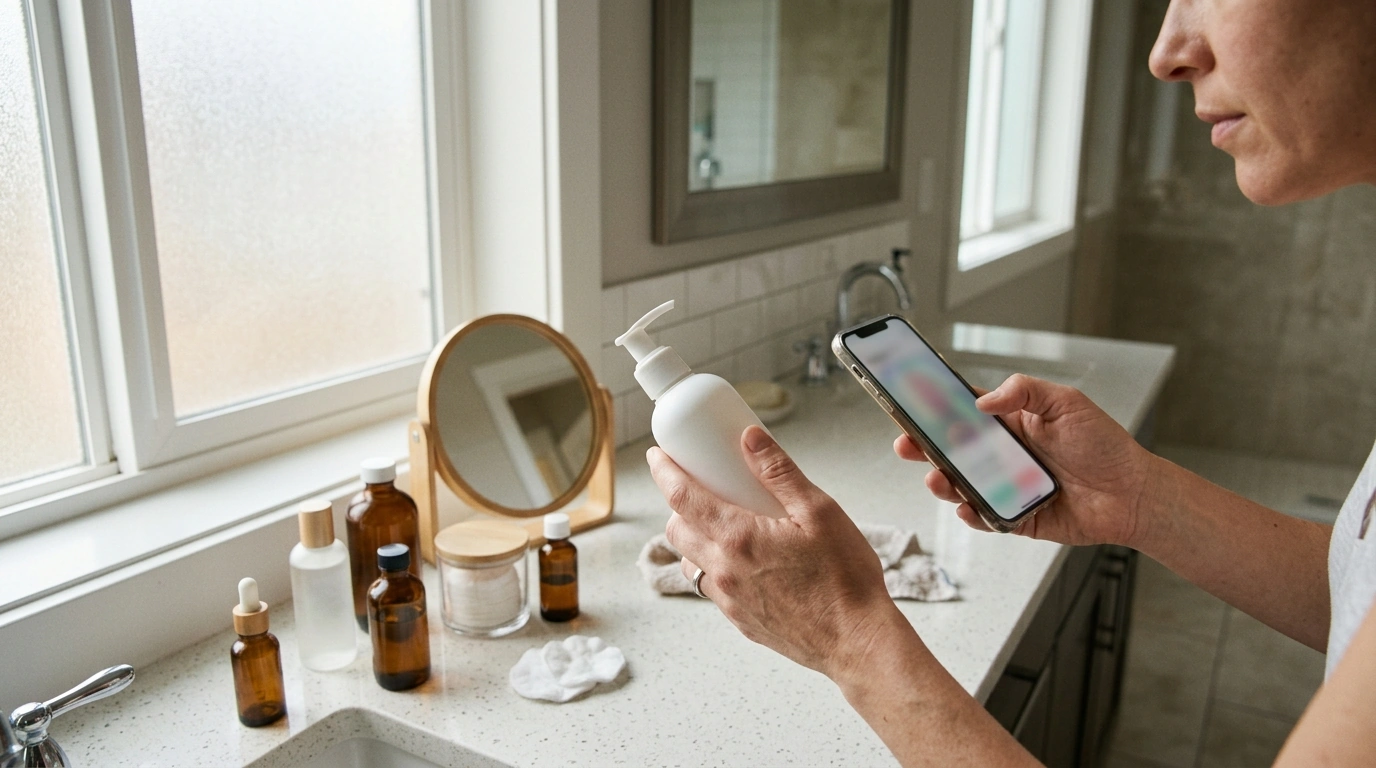
Smarter Skincare Choices: Using AI to Spot Ingredients You May Want to Avoid
Ingredient lists can be long, technical, and easy to misread—especially when names change across regions or show up in different forms. AI-based ingredient checks can help flag common irritants and controversial additives, but the best results come from combining AI guidance with a few practical rules for reading labels, understanding personal triggers, and verifying claims with reputable sources.
Why ingredient labels feel confusing (and why it matters)
Most skincare packaging uses INCI (International Nomenclature of Cosmetic Ingredients) names, which can look unfamiliar even when the ingredient itself is common. On top of that, the same ingredient may appear under multiple names—synonyms, salt forms, or botanical Latin names—making it easy to miss patterns across products.
Marketing language doesn’t always help. Terms like “clean,” “non-toxic,” and “dermatologist-tested” don’t follow one universal standard, and they rarely explain concentration, formulation, or how the product behaves on real skin. Sensitivity is also highly individual: something widely tolerated can still trigger stinging, acne, or dermatitis for a smaller group of people.
Finally, context matters. Some ingredients are more likely to cause issues at certain concentrations, in certain product types (leave-on vs. rinse-off), or when layered with other actives. A quick ingredient scan without context can miss the real reason a product feels “too harsh.”
What “harmful” can mean in real life
“Harmful” is often used as a catch-all, but skincare concerns usually fall into a few practical buckets:
- Irritants: ingredients that commonly sting or inflame, especially if the skin barrier is compromised (for example, heavy fragrance or some high-alcohol leave-on formulas).
- Allergens: ingredients more likely to cause allergic contact dermatitis in sensitized users (certain fragrance components and specific preservatives are common examples).
- Comedogenic triggers: ingredients that may worsen breakouts for some people depending on skin type, the full formula, and how occlusive the product is.
- Endocrine/systemic concern discussions: ingredients debated in public health contexts; real-world risk depends on exposure level, product type, and current regulatory guidance.
- Mismatch with skin goals: ingredients or combinations that undermine your routine (like stacking multiple strong actives and ending up with chronic irritation).
How AI ingredient warnings typically work
AI ingredient tools generally start with one of three inputs: scanning a label, pasting an ingredient list, or selecting a product from a database. From there, they use pattern recognition to highlight ingredient families—such as fragrance allergens, certain preservative groups, or essential oil components—so you can spot likely triggers faster.
A practical workflow: label check in 3 minutes
- Identify product type. Leave-on face products usually deserve more caution than rinse-off body products.
- Scan for your “usual suspects.” Look for fragrance, essential oils, certain preservatives you’ve reacted to, harsh surfactants (especially in cleansers), strong exfoliating acids, or heavy occlusives—depending on your history.
- Use AI to flag and categorize. Ask the tool to group ingredients into actives, preservatives, fragrances, emulsifiers, and potential irritants so you understand what’s doing what.
- Cross-check 1–2 flagged ingredients. Use authoritative references like the FDA’s cosmetics ingredients pages or the European Commission CosIng database.
- Choose an action. Avoid it, patch test it, reduce frequency, or keep it but strengthen supporting steps (barrier-repair moisturizer and daily sunscreen).
Common ingredient categories to watch (and what to do instead)
Quick guide: what AI flags often mean and how to respond
| Flag category | Why it gets flagged | Best next step |
|---|---|---|
| Fragrance (parfum, aroma, fragrance components) | Common irritation/allergy trigger; hard to know exact composition | Choose fragrance-free or patch test; avoid on compromised skin |
| Essential oils | Can be sensitizing, especially in leave-on products | Limit frequency; avoid around eyes; prefer lower-complexity formulas |
| Preservatives | Some users develop allergies to specific preservative families | Identify the exact preservative; verify with a reputable ingredient reference |
| Drying alcohols | May disrupt barrier for some skin types | Use less often; pair with barrier-supporting moisturizer |
| Strong actives (retinoids/acids) | Overuse can cause irritation; layering increases risk | Simplify routine; alternate nights; introduce one active at a time |
Patch testing and barrier check: the safety net AI can’t replace
If reactions repeat, keep a short “trigger list” and feed it back into your AI checker rules so future scans become more accurate. For persistent or severe symptoms—widespread rash, swelling, hives, intense burning—seek professional care. The American Academy of Dermatology’s contact dermatitis resources can also help you recognize common patterns.
Using an AI-powered guide to build a simpler, safer routine
Recommended digital picks for smarter shopping and simpler routines
- Avoiding Harmful Ingredients with AI – Smart Beauty & Skincare Ebook | ai to warn you about harmful ingredients in your products (fast, step-by-step ingredient checks and practical decision rules)
- From Dream to Done: The Ultimate Business Goal-Setting Checklist (helpful for setting a simple, consistent skincare schedule and tracking what changed)
- Budget Like a Redditor: Real-Talk, Real Results (useful if you’re trying to reduce “trial-and-error” spending on products that don’t work)
FAQ
Can AI accurately tell if an ingredient is harmful?
AI can flag commonly problematic categories and your personal triggers, but it can’t guarantee safety. Concentration, formulation, and individual sensitivity matter, so it’s best to verify key concerns with reputable sources and patch test when possible.
What ingredients should sensitive skin commonly avoid?
Fragrance and essential oils are frequent triggers, and some alcohol-heavy leave-on products or overly strong actives can also cause irritation. Preservatives aren’t universally bad—avoid-lists work best when guided by your own reaction history or confirmed allergies.
Is “fragrance-free” the same as “unscented”?
No. “Unscented” products may still include masking fragrance to cover odor, so the safest approach is checking the ingredient list for parfum/fragrance/aroma and known fragrance components.














Leave a comment