Style Moodboard Trends: Build Wearable Outfits Fast
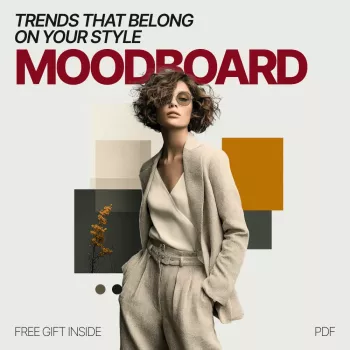
Trends That Belong on Your Style Moodboard: A Guide to Curating Your Perfect Style Inspiration
A style moodboard works best when it’s more than pretty pictures—it should translate into outfits that feel like you. The quickest way to get there is to save trend themes with staying power (color, silhouette, texture, accessories), then run them through real-life filters like climate, comfort, and budget. If you need a ready-to-use framework, the digital download Trends That Belong on Your Style Moodboard: A Guide to Curating Your Perfect Style Inspiration organizes the process into practical steps you can repeat each season. For more guidance, see Pattern Curator | Inspire Your Creativity Today.
Start With a Clear Moodboard Goal
Before pinning a single look, decide what your board is for. One board with a single job stays useful; a board that tries to do everything becomes visual noise. For further reading, see How to Find Your Personal Style in 2023 – Triad Goodwill.
- Pick one main purpose: everyday outfits, workwear refresh, event dressing, seasonal update, or a full style reset.
- Define three practical constraints: climate (rain, heat, snow), dress code (office, school pickup, travel), and comfort needs (shoe tolerance, fabric sensitivity, movement).
- Set a “repeatable outfit” standard: every saved image should map to at least one outfit you could wear within two weeks.
- Choose 1–2 style words: polished, relaxed, romantic, sporty, minimal, or playful—use them to edit your pins, not to label yourself.
If you want your board to stay organized from day one, consider pairing it with a simple tracker like From Dream to Done: The Ultimate Business Goal-Setting Checklist to set a timeline for closet checks, shopping pauses, and monthly updates.
The Trend Themes That Actually Build a Wearable Moodboard
Trend-hunting is easier when you’re saving categories, not random outfits. These themes create cohesion across different price points and brands, because they’re based on repeatable design choices.
Texture trend
Save close-ups of brushed knits, soft tailoring, leather accents, and denim-on-denim seams. Texture is the shortcut to “expensive-looking” outfits even when you’re shopping affordable options.
Silhouette trend
Long lines (maxi skirts, long coats) and cropped proportions (boxy jackets, shorter hems) give opposite energy. Pin at least two full-body images per silhouette so you can judge balance with your height and go-to shoes.
Color story trend
A strong board usually has one neutral base plus one accent color. Collect swatches and repeat them across categories—tops, outerwear, shoes, bags—so outfits feel intentional instead of mixed at random.
Print and pattern trend
Pick one “hero” pattern family per board (stripes, checks, florals, abstract). You can still wear other prints in real life, but the board stays clear when it has one main pattern lane.
Footwear direction
Ballet flats, loafers, sleek sneakers, or boots: shoes determine the mood faster than almost anything else. Save shoes styled with multiple outfit types (jeans, skirts, dresses, trousers) to see versatility.
Accessory focus
Belts, hair accessories, structured bags, and chunky jewelry are the easiest trends to test without rebuilding your closet. Look for pins where one accessory is repeated across different outfits.
Styling moves
Half-tucks, tonal dressing, layering over dresses, scarf styling—save images that clearly show the trick, not just the final pose. The clearest “how” photos are the ones you’ll actually copy on a Monday morning.
| Trend theme | What to pin | Why it works | Easy first step |
|---|---|---|---|
| Color story | 3–5 swatches + 5 outfits using them | Creates instant cohesion across categories | Choose one accent color and match it to an accessory |
| Silhouette | Full-body looks from different angles | Prevents buying pieces that don’t balance on your frame | Try the silhouette with items already owned |
| Texture | Fabric close-ups (knit, denim, leather, satin) | Helps replicate the vibe even with different brands | Add one textural piece (bag, jacket, knit) |
| Footwear | Shoes styled with multiple outfit types | Anchors the mood (polished, casual, edgy) | Pick one “default” shoe for the season |
| Accessories | One accessory repeated across outfits | Low-cost way to test a direction | Build a mini capsule: bag + belt + earrings |
For sourcing inspiration, pull from a mix of everyday styling and high-fashion references. Pinterest is a strong tool for collecting and organizing pins (see Pinterest Business), and runway archives like Vogue Runway can help you spot color and silhouette patterns early without needing to copy the exact looks.
A Simple Curation System: Save, Sort, Then Shrink
Translate Your Moodboard Into Outfit Formulas
Make It Personal: Filters That Prevent Regret Buys
If budget is a big part of your filter, a separate money plan can make style choices feel calmer. Budget Like a Redditor: Real-Talk, Real Results can help you set spending boundaries so you can focus on fit, versatility, and repeat wear instead of impulse buys.
Build a Mini Shopping List From the Board
Common Moodboard Mistakes (and Easy Fixes)
FAQ
How many images should a style moodboard have?
A workable range is 25–50 images for a seasonal board and 50–80 for a full style reset. Clarity matters more than volume, so shrink after sorting and keep only images you can translate into real outfits.
How do you turn a moodboard into outfits you’ll actually wear?
Pull out repeating “ingredients,” write 5 outfit formulas, and test them using your current closet before buying anything. Then shop only what’s missing, using a two-week wear plan to confirm each purchase has a clear place.
What should you include on a style moodboard besides outfits?
Add color swatches, fabric and texture close-ups, footwear direction, accessories, and clear styling tricks. Notes about comfort, care, climate, and dress code help turn inspiration into choices you’ll stick with.








Leave a comment