Soft Focus Eyes: Daily Habits to Smooth Under-Eyes
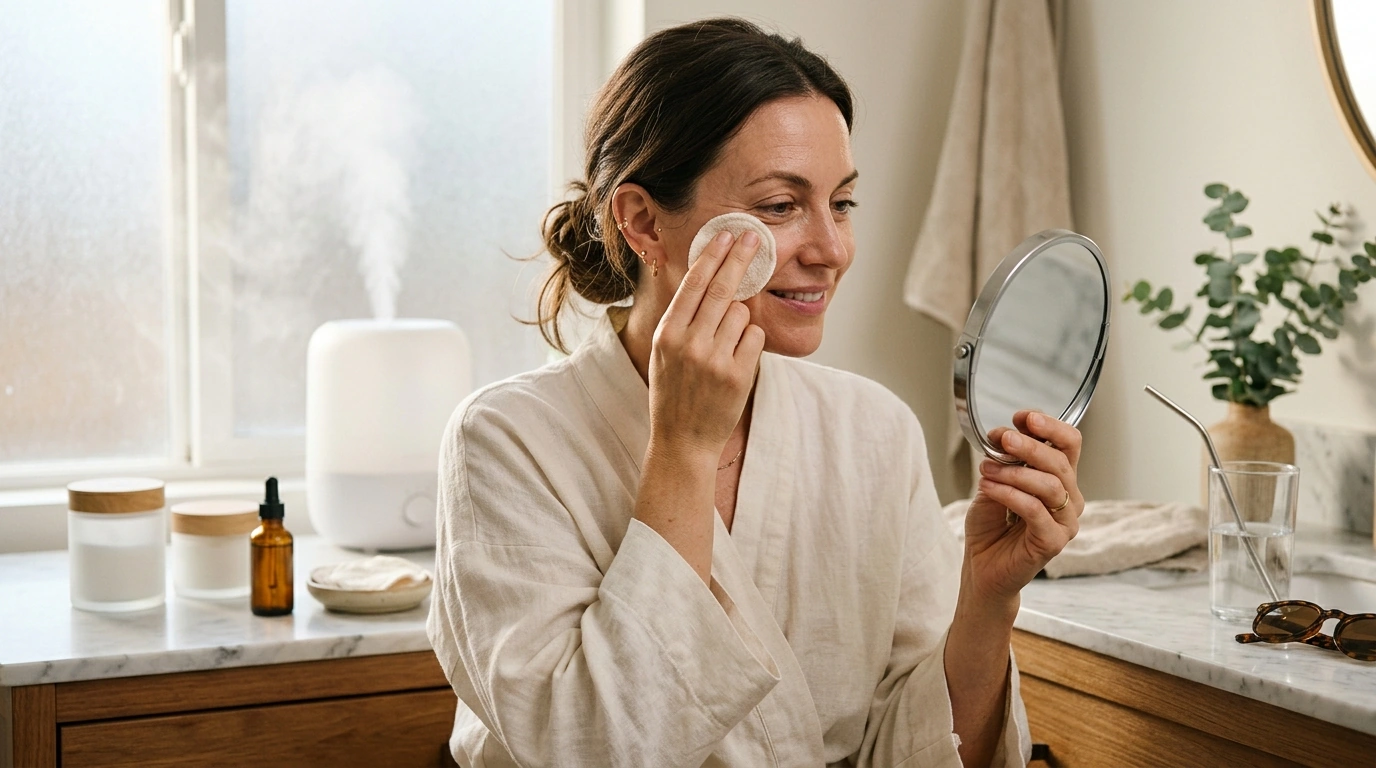
Soft Focus Eyes: A Simple Daily System for Smoother-Looking Under-Eyes
Fine lines around the eyes can look more noticeable when skin is dehydrated, stressed, or unprotected from UV exposure. A steady routine—built on gentle cleansing, targeted ingredients, and small daily habits—often makes the biggest visible difference. Soft Focus Eyes is a practical ebook that organizes eye-area care into easy steps, helping build smarter routines that support a smoother-looking eye contour over time.
Why fine lines show up around the eyes
The skin around the eyes has a tougher job and fewer built-in resources than many other areas of the face. That combination makes it more likely to show creasing, dryness, and texture changes—especially when daily habits are working against you.
- Thinner skin + fewer oil glands can lead to dryness, and dry skin tends to “fold” more visibly.
- Repeated expressions (smiling, squinting, frowning) create ongoing movement that can etch lines faster in delicate areas.
- Sun exposure accelerates collagen breakdown, particularly when sunscreen and sunglasses aren’t consistent. MedlinePlus has a helpful overview of how sun exposure impacts skin health.
- Dehydration, poor sleep, and allergies can increase puffiness and rubbing—both can make lines look deeper.
- Harsh makeup removal or over-exfoliation can compromise the skin barrier, worsening texture and sensitivity.
Daily habits that quietly make the biggest difference
Eye-area changes are often less about “one miracle product” and more about removing the daily friction points that keep skin stressed. These low-effort habits compound quickly.
- Stop tugging: remove makeup with a slip-friendly cleanser or balm and soft cotton rounds; press and lift rather than rub.
- Reduce squinting: use sunglasses outdoors and consider updated prescription lenses if needed.
- Hands off: manage allergies and avoid eye rubbing; friction contributes to irritation and dryness.
- Sleep positioning: side/stomach sleeping can increase morning puffiness; a slightly elevated head position can help.
- Hydration basics: consistent water intake and humidifier use in dry seasons can reduce the look of crepey texture.
- Screen breaks: frequent blinking and short breaks can help reduce dryness linked to digital strain.
Habit-to-benefit map for the eye area
| Daily habit | What it helps with | How often |
|---|---|---|
| Gentle makeup removal (no rubbing) | Less irritation and dryness; smoother look | Every night |
| Sunscreen + sunglasses | Helps prevent new lines and discoloration | Daily, year-round |
| Moisturize while skin is slightly damp | Improves hydration and softens the look of fine lines | AM/PM |
| Avoid eye rubbing (manage allergies) | Less inflammation and barrier damage | Daily |
| Short screen breaks + blinking | Less dryness and tightness | Throughout the day |
Ingredients that are commonly used for smoother-looking eyes
When choosing formulas for the eye area, prioritize comfort and consistency. Irritation is one of the quickest ways to make under-eyes look drier and more textured.
- Humectants (hyaluronic acid, glycerin): pull water into the skin to plump the look of fine lines.
- Barrier supporters (ceramides, cholesterol, fatty acids): help reduce dryness and sensitivity over time.
- Peptides: often used to support a firmer-looking appearance with consistent use.
- Retinoids/retinol: can improve the look of fine lines but require a slow ramp-up and careful eye-area application. The Cleveland Clinic explains practical retinol benefits and how to use it.
- Antioxidants (vitamin C, vitamin E, niacinamide): help defend against environmental stressors that contribute to visible aging.
- Caffeine: may temporarily reduce the look of puffiness by constricting blood vessels on the surface.
A smart routine template (morning and night)
A reliable routine doesn’t need to be complicated—it needs to be repeatable. Think “protect in the morning, support and repair at night.” For general skin-care guidance, the American Academy of Dermatology shares approachable skin care basics that pair well with an eye-focused routine.
Morning
- Gentle cleanse (or rinse): avoid hot water and aggressive scrubbing.
- Hydrating layer: a light hydrator can reduce tightness and help makeup sit better.
- Eye-safe moisturizer: seal in comfort without overloading the skin.
- Sunscreen: apply carefully up to the orbital bone; let it set before makeup.
- Optional concealer: apply over hydrated skin; use thin layers to reduce creasing.
Night
- Thorough but gentle makeup removal: press and dissolve; don’t “erase” makeup with friction.
- Cleanser: keep it mild and non-stripping.
- Treatment step (as tolerated): introduce actives slowly and watch for dryness.
- Moisturizer: finish with a comfortable layer to lock in hydration.
Routine rules that prevent setbacks:
Common mistakes that make eye lines look worse
How the Soft Focus Eyes ebook helps build consistency
Recommended digital guides (in stock)
- Soft Focus Eyes – Ebook Guide on How to Reduce Fine Lines Around Eyes, Daily Eye Care Habits, Ingredients & Smart Routines
- Budget Like a Redditor: Real-Talk, Real Results | How to Budget Reddit-Style Guide | Digital Download eBook for Budgeting Help (helpful for keeping a realistic skincare-and-self-care budget)
- Smart Moves: Save Money & Pay Bills Like a Pro – Your Ultimate Guide to Financial Freedom (useful for simplifying monthly spending so routines stay consistent)
Who this guide is best for
FAQ
How long does it usually take to see improvement in fine lines around the eyes?
Hydration can improve the look of fine lines relatively quickly, sometimes within days. More noticeable changes in texture typically take weeks of consistent care, especially when sun protection and gentle habits are in place.
Can retinol be used around the eyes safely?
Yes, but it’s best to start low and slow: use a tiny amount, apply away from the lash line and inner corner, and moisturize well. If stinging, peeling, or persistent dryness shows up, pause and reassess frequency or consult a professional—especially for sensitive skin.
What daily step helps the most if only one change is possible?
Daily sun protection (sunscreen plus sunglasses) is the most important long-term step for preventing new lines and protecting collagen. If you also struggle with irritation, upgrading to gentler cleansing and makeup removal is a close second.
















Leave a comment