Lightweight Spin Mop Tips for Streak-Free Hard Floors
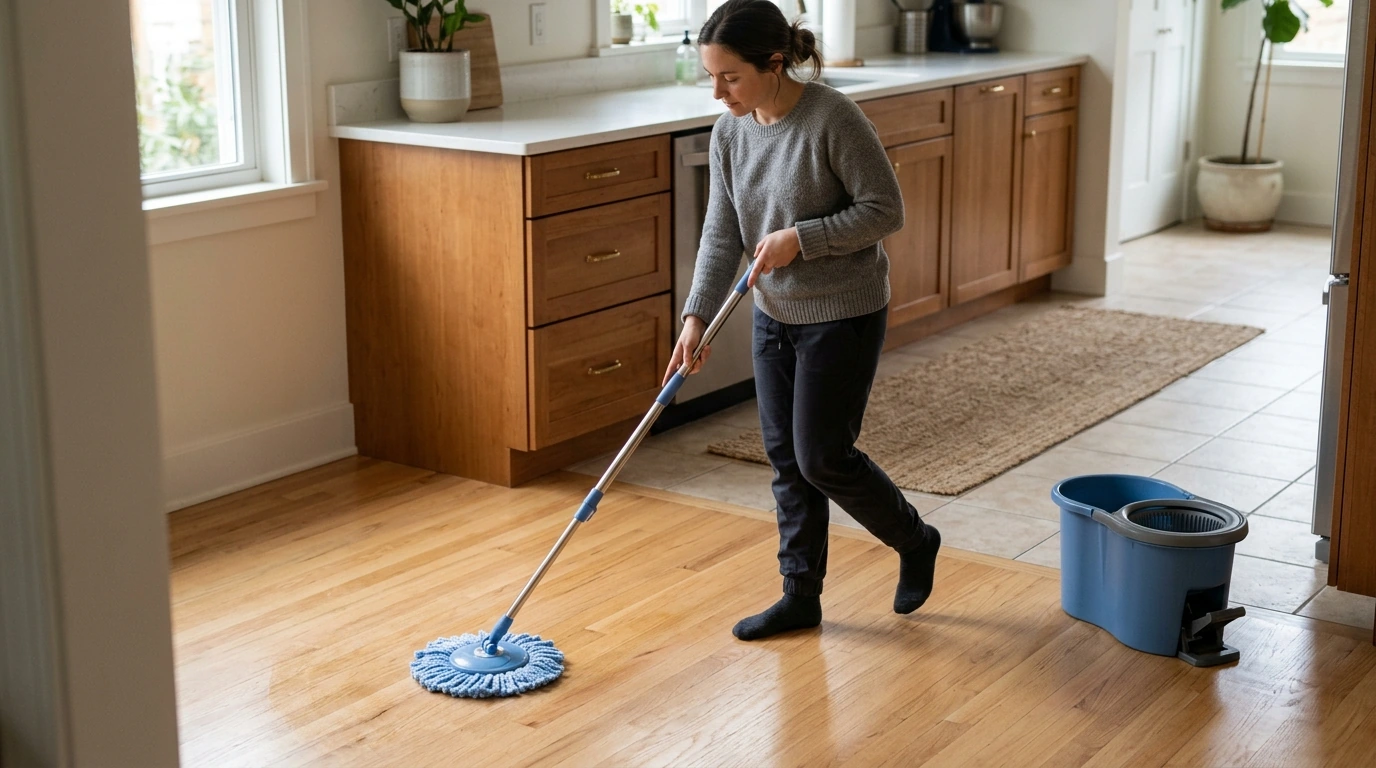
Lightweight Spin Mops: Fast, Low-Effort Floors Without the Drip Trail
Hard floors look their best when the clean is consistent—but hauling a heavy bucket or wrestling with a soggy mop head makes it easy to put off. A lightweight spin mop keeps the routine simple: add water, spin to control moisture, and glide across tile, vinyl, laminate, or sealed hardwood with less strain and less mess. Our team put together the practical basics so you know what to expect, how to use a spin mop well, and how to keep that just-finished look between deeper cleans.
What a lightweight spin mop changes in everyday cleaning
- Less lifting and dragging: A lighter handle paired with a spin-wring setup reduces the “lug and dump” effort that makes traditional mop-and-bucket cleaning feel like a workout.
- Better moisture control: Spinning out excess water helps prevent puddles, streaks, and slow dry times—especially helpful on laminate and sealed wood.
- Quicker resets between rooms: A fast rinse-and-spin makes it easier to go from kitchen to hallway without spreading dirty water.
- More frequent mini-mops: When a tool is easy to grab, you’re more likely to handle small messes before they turn into stuck-on buildup.
Where spin mops shine on hard floors (and where to be careful)
- Tile and sealed stone: Great for grit, cooking splashes, and everyday traffic. Use controlled pressure around grout lines and corners so you lift soil instead of smearing it.
- Vinyl and LVP: Spin mops work best damp—not soaking—so the floor dries evenly and quickly without cloudy patches.
- Laminate: Keep the mop only lightly damp and don’t let water sit along edges or seams. That moisture control is the whole game on laminate.
- Sealed hardwood: A well-wrung mop supports gentle, quick passes. Avoid over-wetting near baseboards and in high-traffic lanes where water can linger.
If you’re using any cleaner, follow safe-use practices (proper ventilation, correct dilution, and storage). The EPA Safer Choice cleaning safety tips are a solid baseline for everyday product handling, and the CDC’s home cleaning guidance is helpful when you need a more structured approach.
A simple routine for cleaner floors in 10–15 minutes
- Start dry: Sweep or vacuum first. Fine grit is what creates that “dull” look and can scratch finishes if you mop over it.
- Fill with warm water: Add a small amount of cleaner only if your floor brand allows it. Heavy soaps often leave residue that shows up as streaks later.
- Spin before the first pass: Begin with a damp mop head rather than a dripping one—especially on laminate and sealed wood.
- Work in sections: Mop a small area, rinse, spin, and move on. This stops you from redistributing dirty water across the whole room.
- Finish with a dry check: If any areas look hazy or streaky, do one more light pass using plain water and a clean, well-spun mop head.
Getting the best results: moisture control, pressure, and direction
Spin mops perform best when you treat moisture like a dial, not an on/off switch. Spin more for sensitive floors, and slightly less for textured surfaces that need a touch more water to release soil.
- Moisture control: Laminate and sealed hardwood should be lightly damp; textured tile can handle a bit more dampness as long as you rinse often.
- Pressure: Let the fibers do the work. Heavy pressure can push dirty water into seams, edges, or grout lines.
- Direction: On plank floors, mop along the length for a more uniform finish. On tile, use overlapping strokes so you don’t miss edges.
- Rinse sooner than you think: Frequent rinsing is the fastest path to a floor that dries clear instead of dull.
Quick checklist: match the mop dampness to the floor
| Floor type | Best mop dampness | What to avoid | Quick tip |
|---|---|---|---|
| Laminate | Lightly damp | Standing water at seams | Spin extra before starting each section |
| Sealed hardwood | Lightly damp | Over-wetting near baseboards | Do a fast final pass and let it air-dry |
| Vinyl / LVP | Damp | Soapy buildup | Use minimal cleaner and rinse often |
| Sealed tile | Damp to moderately damp | Letting dirty water sit in grout | Rinse and spin frequently for brighter grout lines |
Keeping the mop fresh: pad care and odor prevention
When a lightweight spin mop is the right fit (and when to add a second tool)
Product picks from our shop
- For everyday hard floors: Lightweight Spin Mop for Hard Floors helps you keep moisture controlled so you can move room-to-room without leaving a drip trail behind.
- For keeping routines (and spending) on track: Smart Moves: Save Money & Pay Bills Like a Pro is a handy add-on if you like pairing a clean-home routine with a simple plan for household budgeting.
FAQ
Is a spin mop safe for laminate and sealed hardwood floors?
Yes—when you use it damp, not wet. Spin out excess water before each section, work in smaller areas, and don’t allow water to sit along seams, edges, or baseboards.
How often should hard floors be mopped?
For high-traffic spaces like kitchens and entryways, aim for 1–3 times per week; for lighter-traffic rooms, weekly or biweekly often works well. If you have pets, kids, or rainy weather, quick spot-mopping between full cleans helps a lot.
Why do floors look streaky after mopping and how can it be fixed?
Streaks usually come from too much cleaner, dirty rinse water, or a mop that’s too wet. Rinse more often, use minimal cleaner, spin drier, and finish with a light pass using clean water.















Leave a comment