Cute Big-Eyes Winter Dog Vest: Fit & Cold-Weather Tips

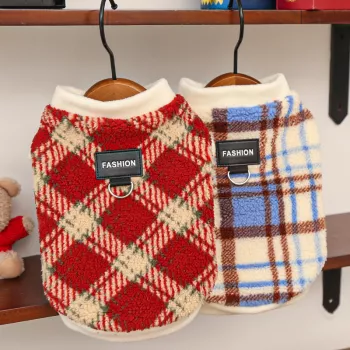
Cute Big Eyes Winter Dog Vest: Cozy Warmth for Chilly Walks
Cold days can turn quick potty breaks and daily walks into a shivery sprint—especially for small dogs, short-coated breeds, puppies, and seniors. Our Cute Big Eyes Winter Dog Vest is designed to add an easy layer of warmth while keeping your pup looking irresistibly adorable. Use this guide to decide when a winter vest helps most, how to get a comfortable fit, and how to build a simple cold-weather routine that keeps tails wagging all season.
Why a winter vest can make a real difference
When temperatures drop, your dog’s comfort can change fast—especially in wind, damp air, and low-activity outings. A winter vest is a simple way to support warmth without adding a bulky full-body outfit.
- It helps reduce heat loss on the core (chest and back), where dogs can cool down quickly in windy or damp conditions.
- It’s especially useful for dogs that chill easily: small breeds, lean builds, short coats, newly groomed coats, puppies, seniors, and dogs that prefer quick outdoor trips.
- It adds comfort for low-activity outings (slow sniff-walks, stroller rides, patio time) when the body isn’t generating much heat.
- It can make a winter routine easier to maintain—when your dog feels warmer, you’re less likely to deal with “get me back inside” behavior.
For broader cold-weather safety basics, we recommend reviewing guidance from the American Veterinary Medical Association (AVMA) and the American Kennel Club (AKC).
What makes the “Cute Big Eyes” look special
Some winter gear is purely practical. This vest adds personality, too—without making dressing your dog a complicated project.
- Playful “big eyes” styling gives a cheerful, cuddly vibe that stands out on everyday winter walks and holiday outings.
- A vest-style layer is a practical daily option: quick to put on, easy to remove, and often more comfortable for dogs that dislike bulky clothing.
- When a layer is simple and adorable, you’re more likely to grab it before heading out—consistency is a big part of keeping your dog comfortable in winter.
Getting the fit right: comfort first
Warmth only helps if your dog can move, breathe, and potty normally. Before you order, measure your dog and use those numbers (not guesswork).
- Measure chest girth (widest part of the ribcage) and back length (base of neck to base of tail).
- Aim for “snug but not tight”: you should be able to slide two fingers between the vest and your dog’s body around the chest.
- Check movement: your dog should sit, lie down, and take full strides without the vest riding up or pressing into the armpits.
- If you plan to layer over a thin shirt or wear it with a harness underneath, measure with that setup in mind.
- Do a short indoor trial first, then check for rubbing points and adjust as needed.
Quick Fit & Comfort Checklist
| Check | What to look for | Why it matters |
|---|---|---|
| Chest fit | Two-finger space; no pinching when inhaling | Supports comfortable breathing |
| Armpit area | No rubbing as legs move forward | Prevents chafing on walks |
| Back coverage | Covers core without blocking tail movement | Keeps warmth where it helps most |
| Neck area | Sits smoothly; doesn’t bunch | Avoids irritation and slipping |
| Bathroom breaks | Doesn’t interfere with normal potty posture | Keeps daily routines stress-free |
When to use a winter vest (and when to skip it)
Not every moment needs a winter layer. The goal is comfort, not overheating.
- Great times to wear it: windy days, early morning and evening walks, quick potty breaks, car rides, and outdoor cafés.
- Extra helpful after grooming: a shorter coat can leave many dogs feeling colder than usual for a few days.
- Skip or shorten wear time indoors: many dogs overheat inside heated homes—use the vest for outings, then remove it once you’re back.
- Watch your dog’s signals: shivering, lifting paws, slowing down, tucking the tail, or refusing to walk means it’s time to warm up indoors.
If you ever suspect your dog is too cold (or too warm), default to shorter outdoor time and a calm reset indoors. The ASPCA’s cold weather safety tips are also a helpful reference for winter routines.
Pairing the vest with a winter routine
A vest works best as part of a simple system—warm start, sensible walk length, and a quick cleanup after.
Care tips to keep it looking cute all season
More in-stock picks from our team
- Cute Big Eyes Winter Dog Vest
- Smart Moves: Save Money & Pay Bills Like a Pro – Your Ultimate Guide to Financial Freedom
- Budget Like a Redditor: Real-Talk, Real Results | Digital Download eBook
- From Dream to Done: The Ultimate Business Goal-Setting Checklist | Printable PDF
FAQ
How do I know if my dog needs a winter vest?
If you notice shivering, reluctance to walk, lifting paws, or a “rush back inside” attitude, a vest can help. It’s also especially useful for small dogs, short-coated breeds, puppies, seniors, and lean builds, and on windy/damp days or low-activity outings.
How tight should a dog vest fit?
A good fit is snug but not tight: you should be able to slide two fingers between the vest and your dog’s chest. Make sure there’s no rubbing at the armpits, your dog can take full strides, and a short indoor test wear shows no irritation.
Can my dog wear a winter vest indoors?
In most homes, it’s best to use the vest mainly for outdoor time and take it off once you’re back inside to prevent overheating. If your home is drafty or your dog is a senior who gets chilled easily, brief supervised indoor wear can be helpful.















Leave a comment