Conscious Parenting: Calm Limits, Strong Connection
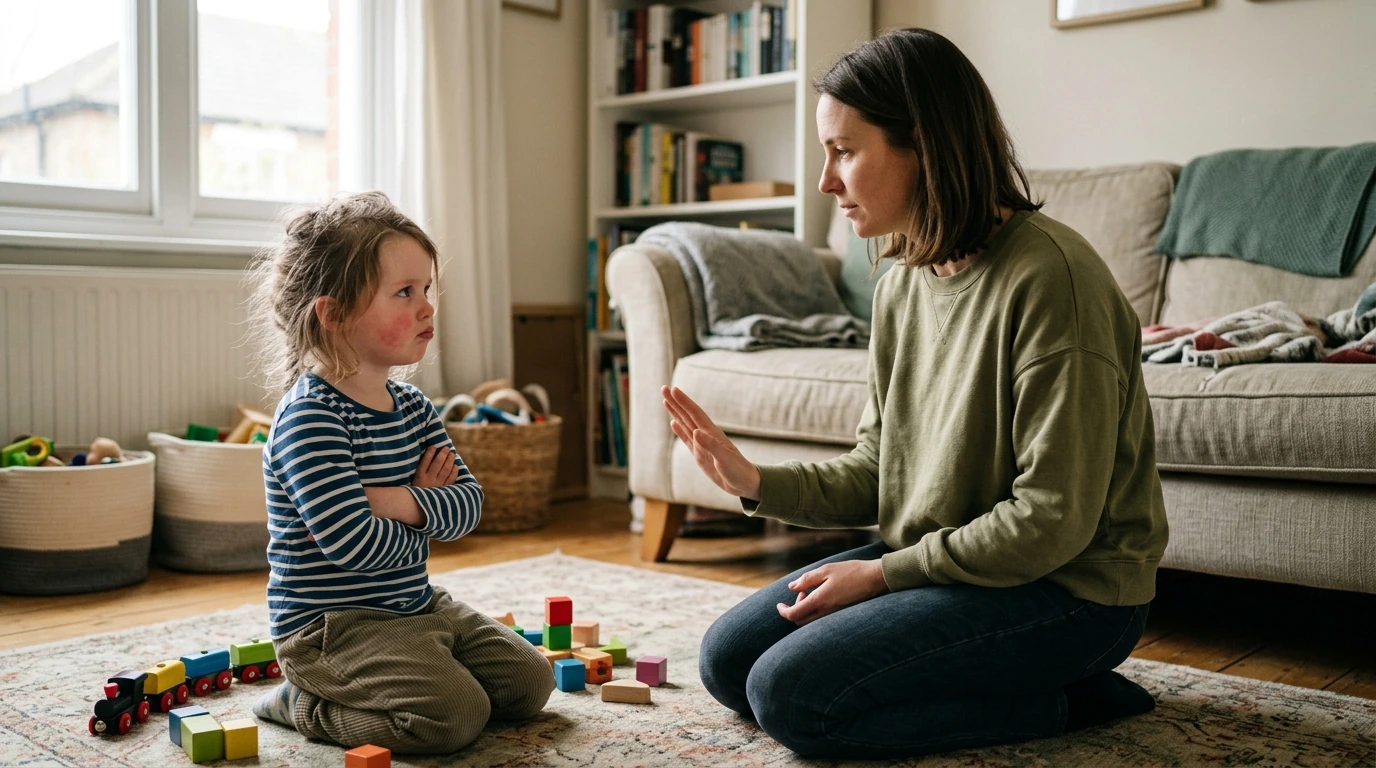
Conscious Parenting: A Relationship-First Approach That Still Holds Limits
Conscious parenting is a way of guiding kids with more intention and less autopilot. The goal isn’t to stay perfectly calm or to avoid conflict; it’s to respond rather than react. That means noticing what’s happening in the moment—inside your child and inside you—then choosing a next step that protects connection, teaches skills, and supports long-term resilience.
This approach treats behavior as communication. Kids act out when they’re hungry, tired, overwhelmed, seeking connection, or lacking a skill (like waiting, sharing, or coping with disappointment). Conscious parenting keeps boundaries firm, but shifts how those limits are communicated: respectful language, predictable follow-through, and a focus on learning instead of fear.
What conscious parenting means (and what it doesn’t)
- It’s relationship-centered: connection and limits work together, not against each other.
- It uses mindfulness: pausing long enough to notice triggers and choose a response aligned with values.
- It’s not permissive: “No” still means “no”—the difference is calm clarity rather than intimidation.
- It’s not about never getting angry: it’s about taking responsibility, repairing, and modeling what to do with big emotions.
For additional guidance on positive, skill-building discipline, the American Academy of Pediatrics shares practical direction for everyday situations: Positive Parenting Tips.
Core principles: awareness, attunement, and boundaries
Awareness: notice what’s happening in you
Conscious parenting starts with the adult nervous system. Notice body cues (tight jaw, fast breathing, clenched fists), mental cues (racing thoughts, “They’re doing this on purpose”), and the story attached to the behavior (“I’m failing,” “They’re disrespecting me”). Awareness creates space to choose a wiser response.
Attunement: connect without approving the behavior
Attunement means reflecting what your child might be feeling: “You’re frustrated,” “You really wanted a turn,” “You’re disappointed.” This doesn’t mean saying yes. It means communicating that feelings are allowed even when unsafe or unkind behavior is not.
Boundaries: simple limits with follow-through
Boundaries protect everyone. Keep them clear and short, paired with immediate action when needed. A boundary isn’t a debate; it’s information plus what you’ll do next: “I won’t let you hit. I’m going to move back.”
Repair: reconnection after conflict
Rupture is normal in families. Repair teaches kids that relationships can hold big feelings and mistakes. A quick, sincere repair builds emotional safety more than a long lecture ever could.
How emotional awareness reduces power struggles
Many power struggles are really regulation struggles. Children borrow calm from the adults around them; your steady presence can shorten escalations. When you label emotions (“You’re mad,” “You’re worried,” “You’re overwhelmed”), kids are more likely to shift from fight-or-flight into problem-solving.
Curiosity helps, too. Instead of “What’s wrong with you?” the question becomes: “What need is underneath this?” Common needs include sleep, food, sensory breaks, predictability, or reconnection. Separating the child from the behavior—“You’re a good kid having a hard time, and hitting is not okay”—protects self-esteem while still addressing the action.
If mindfulness is new, the American Psychological Association has a helpful overview of what it is and why it supports regulation: APA on mindfulness.
Gentle discipline that still holds firm limits
Gentle discipline is not “gentle consequences.” It’s gentle communication with firm boundaries. Try these building blocks:
| Approach | What it tends to sound like | Typical child takeaway | Skill-building alternative |
|---|---|---|---|
| Punishment-focused | “Because I said so. Stop or you’ll lose everything.” | Fear of consequences; may hide mistakes | Clear limit + teach: “Stop. Here’s what to do instead.” |
| Permissive | “It’s okay, do whatever you need.” | Uncertainty; tests limits for safety | Warmth + boundary: “I’m here. The answer is no.” |
| Conscious / gentle-and-firm | “I won’t let you. I’ll help you.” | Safety, connection, and guidance | Co-regulation, repair, and practice of skills |
A simple pause-and-respond toolkit (for real-life moments)
For parents who want quick scripts and step-by-step prompts during stressful moments, A Parent’s Guide to Conscious Parenting (digital download) is an easy way to keep the approach consistent when emotions run high.
Common scenarios and conscious scripts
Tantrums
Siblings fighting
Defiance
Lying
The CDC’s Essentials for Parenting is a solid reference for age-appropriate expectations and consistent follow-through.
Building a mindful home routine that supports regulation
If stress around money or planning is part of what shortens patience at home, adding simple systems can help. Some families pair parenting tools with practical downloads like Budget Like a Redditor: Real-Talk, Real Results or From Dream to Done: The Ultimate Business Goal-Setting Checklist to reduce background overwhelm and free up emotional bandwidth.
Repair after a blow-up: turning mistakes into learning
FAQ
Is conscious parenting the same as permissive parenting?
No. Conscious parenting keeps firm boundaries; it changes the tone and method by focusing on connection, respectful follow-through, and teaching skills rather than removing limits.
What can be done in the moment when a parent is triggered?
Pause for a quick reset: exhale slowly, lower your voice, and use fewer words. Focus on safety and connection first, then return later to teach and repair once everyone is calmer.
How does gentle discipline work if a child keeps repeating the same behavior?
Gentle discipline works through consistency and predictable follow-through, plus teaching and practicing a replacement skill (what to do instead). Repetition often signals an unmet need (sleep, hunger, attention, overload) or that the skill still needs coaching and routine support.















Leave a comment