Build Your Child’s Confidence at Home: Simple Daily Wins
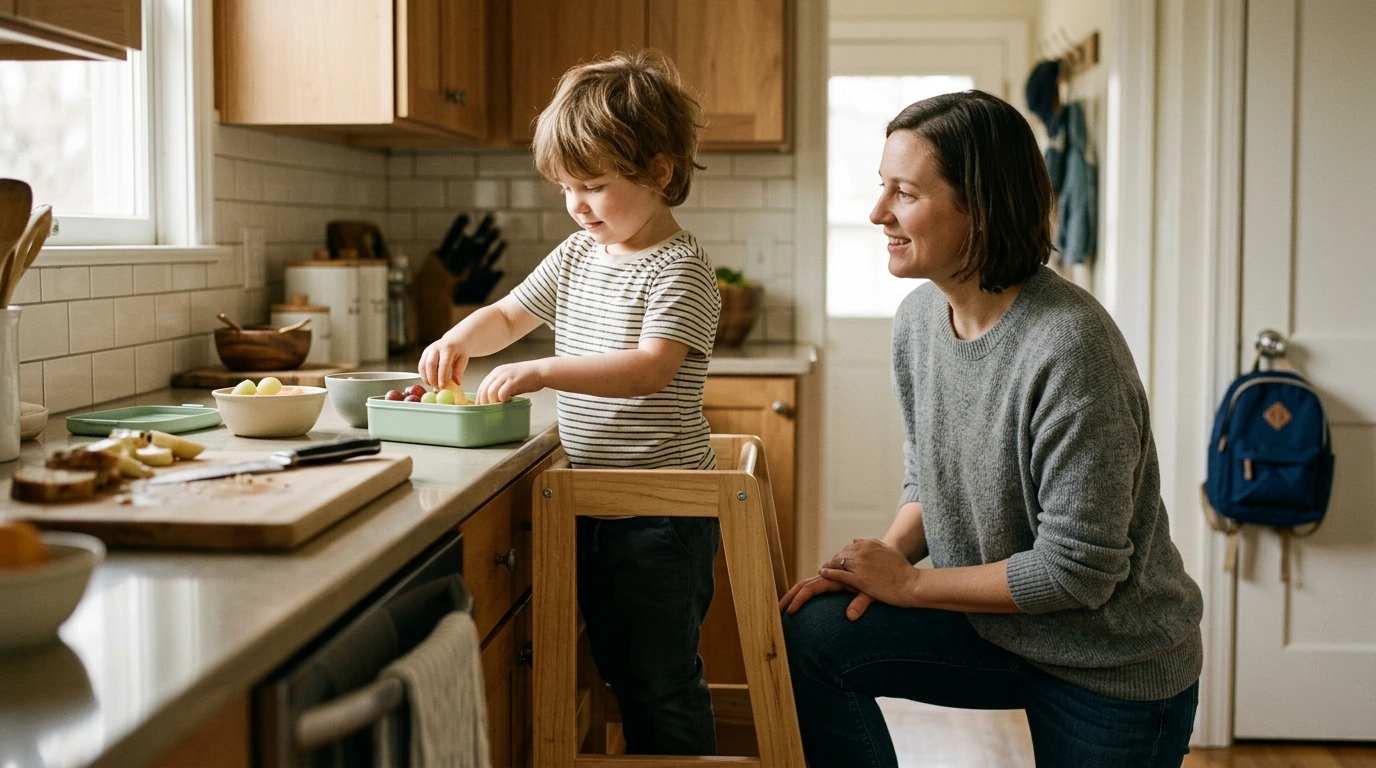
Helping Your Child Shine: A Practical Guide to Building Confidence at Home
Confidence grows through everyday moments—trying, stumbling, recovering, and trying again. With the right supports, children learn to trust their abilities, manage big feelings, and take healthy risks in school, friendships, and new activities. The goal isn’t to raise a child who never doubts themselves; it’s to raise a child who knows what to do when doubt shows up.
What Confidence Looks Like in Real Life
Confidence can be quiet. It often shows up as “I’ll try” rather than “I’ll win.” Look for these practical signs:
- Willingness to attempt new tasks even when success isn’t guaranteed
- Ability to accept feedback without feeling “ruined” or ashamed
- Using coping skills after mistakes (breathing, asking for help, taking a break)
- Self-advocacy: expressing needs respectfully (“I need more time,” “Can you show me again?”)
- Healthy independence paired with knowing when to seek support
These behaviors are learnable skills, not personality traits kids either “have” or “don’t have.”
Common Confidence Blockers (and What They Might Be Signaling)
When a child seems “unmotivated” or “dramatic,” it’s often a sign something feels too risky inside their body or mind. Common blockers include:
- Perfectionism: fear of mistakes can look like procrastination, tears, or refusing to try
- Comparison: sibling, peer, or social media comparisons that shrink motivation
- Over-rescuing: constant fixes can unintentionally teach “I can’t handle it”
- Harsh self-talk: “I’m bad at this” often masks worry about disappointing others
- Skill gaps: confidence drops when expectations outpace the child’s current tools
Quick Reframe: Behavior to Need
| What you see | What it may mean | A helpful response |
|---|---|---|
| Refuses homework | Task feels too hard or too big | Break into 10-minute steps; start together; celebrate first step |
| Meltdown after a mistake | Fear of failing or being judged | Name the feeling; normalize mistakes; practice a repair plan |
| Clingy at drop-off | Separation anxiety or social worry | Create a short goodbye ritual; preview the day; build gradual exposure |
| Says “I can’t” quickly | Low frustration tolerance | Coach “yet” language; try a smaller version; praise effort and strategy |
| Quits activities | Mismatch of interest/fit or fear of being behind | Review goals; choose one small next try; adjust expectations |
The Confidence Foundations: Connection, Competence, and Control
Confidence becomes steadier when three foundations are built at home:
- Connection: children take risks when they feel safe, seen, and accepted.
- Competence: skills build confidence; confidence is rarely the starting point.
- Control: offering appropriate choices increases buy-in and resilience.
- Consistency: predictable routines reduce anxiety and free up energy for growth.
- Coaching: calm guidance helps children borrow an adult’s regulation until theirs strengthens.
For evidence-based parenting guidance and resilience supports, the CDC’s Positive Parenting Tips and the American Academy of Pediatrics’ resilience resources are strong references.
Everyday Strategies That Build Confidence (Without Pressure)
Confidence grows best when kids feel supported, not evaluated. Small shifts in language and routines make a big difference:
Confidence-Building Activities by Age and Situation
Simple Confidence Challenges (5–15 Minutes)
| Goal | Try this | What to say |
|---|---|---|
| Try something new | Pick one “tiny brave” action (raise hand once, say hi first) | “Brave doesn’t mean not scared—brave means you try anyway.” |
| Handle frustration | Do a hard puzzle for 7 minutes, then pause and reflect | “What strategy helped even a little?” |
| Build independence | Child packs backpack with a checklist | “You’re in charge; I’ll be your helper if you ask.” |
| Improve a skill | Practice ladder: 3 easy reps, 2 medium, 1 stretch | “Let’s make it just challenging enough.” |
How to Respond When Your Child Says “I’m Not Good at This”
Healthy Praise, Healthy Standards
Putting It into a Weekly Rhythm (So It Actually Sticks)
Weekly Confidence Plan (Example)
| Day | Small practice | Reflection question |
|---|---|---|
| Mon | Pick one “tiny brave” action | “What helped you start?” |
| Tue | Skill ladder practice (10 minutes) | “What got easier today?” |
| Wed | Role-play a tricky moment | “What words felt best to use?” |
| Thu | Independence task with checklist | “What did you do on your own?” |
| Fri | Celebrate progress + plan next step | “What’s the next small challenge?” |
A Practical Resource to Support Your Next Steps
- Helping Your Child Shine – A Practical Guide on how to help your child build confidence (downloadable guide)
- From Dream to Done: The Ultimate Business Goal-Setting Checklist (useful for creating a simple, trackable weekly routine for goals at home)
- Budget Like a Redditor: Real-Talk, Real Results (helpful if budgeting stress is limiting extracurriculars and you want a calmer plan)
What’s Included in a Confidence Routine Toolkit
| Component | Why it helps | How to use it |
|---|---|---|
| Simple strategies | Creates consistency | Choose 1–2 to practice for a week |
| Activities and prompts | Builds competence through action | Use during calm moments, not mid-meltdown |
| Reflection questions | Strengthens self-awareness | Ask after a try, not after a lecture |
| Progress tracking | Makes growth visible | Track effort and strategies, not perfection |
FAQ
How can confidence be built if my child is naturally shy?
Shyness is a temperament, not a flaw. Focus on gradual exposure (small social steps), role-play simple scripts at home, and celebrate “tiny brave” moments while respecting your child’s need for recovery time.
What’s the difference between confidence and self-esteem?
Confidence is belief in ability in specific situations (like math or making friends), while self-esteem is an overall sense of worth. Skill practice tends to build confidence, and steady acceptance and connection support self-esteem.
How do I praise my child without creating pressure?
Use process praise and “noticed” statements that highlight effort, strategy, and persistence. Avoid fixed labels and performance-only praise, and include recovery praise like, “You felt stuck, took a break, and tried again.”
















Leave a comment