Apartment Pet Matchmaker: Choose the Right Pet for Small Spaces
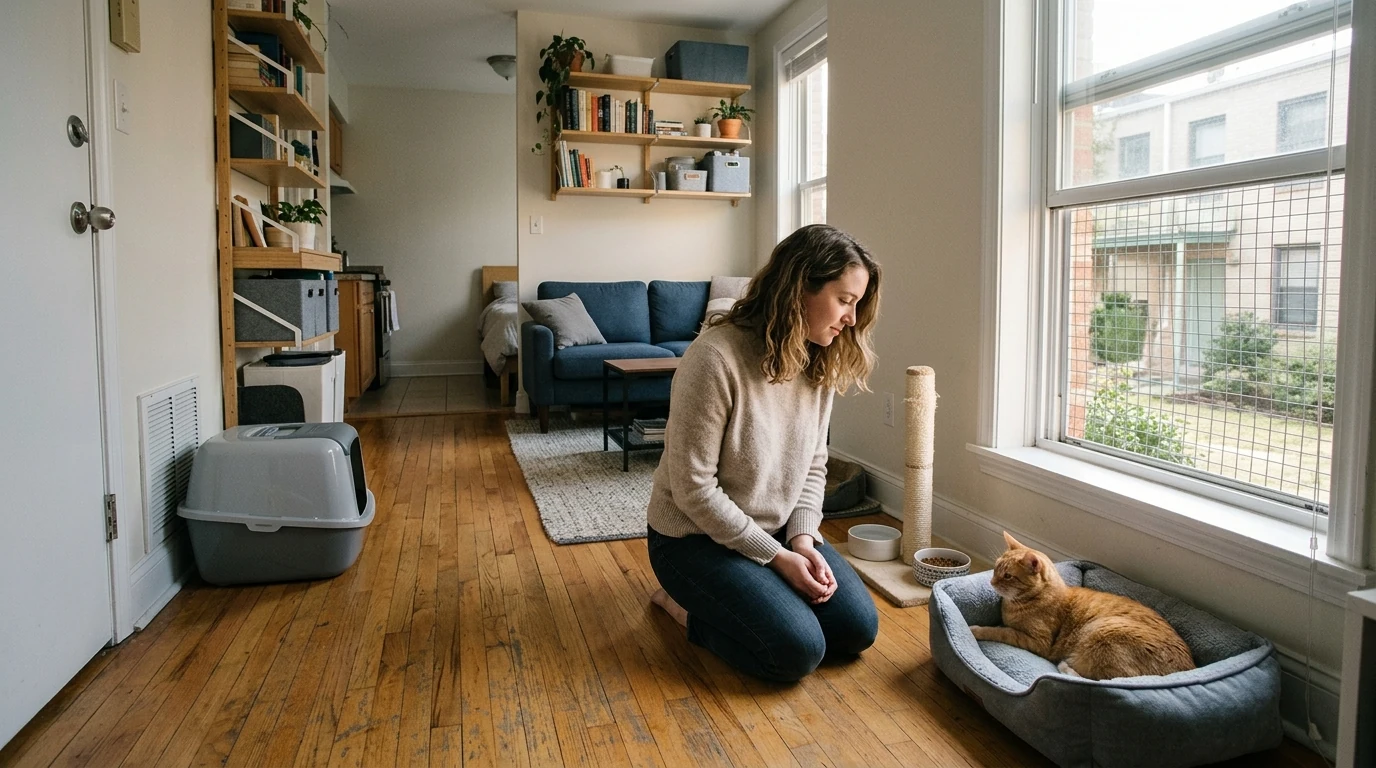
The Small-Space Pet Matchmaker Checklist: Find a Pet That Truly Fits Apartment Life
Choosing a pet for a small apartment is less about picking the “cutest” option and more about matching energy level, noise tolerance, daily schedule, and building rules. A smart match prevents the most common small-space surprises—neighbor complaints, odor buildup, restless pets, and expensive last-minute fixes—so both pet and person can thrive.
Start With the Apartment Reality Check
Before falling in love with any species (or a specific adoptable pet), confirm what your apartment can realistically support. A few early checks can save weeks of frustration later.
- Confirm lease rules: allowed species, breed/weight limits, pet deposits, and any renter’s insurance riders.
- Map usable space: choose spots for a bed/crate, litter box or cage, and feeding station that won’t block walkways.
- Consider sound + shared walls: barking, howling, cage rattling, and late-night zoomies travel farther than expected.
- Check outdoor access: stairs vs. elevator, distance to a relief area, and safe routes for early/late hours.
- Plan temperature/airflow: some pets struggle in hot units, drafty windows, or very dry HVAC air.
The Matchmaker Checklist: Your Lifestyle in Plain Numbers
Apartment success is mostly routine. If the daily plan works on your busiest days, it will work long-term.
- Daily time budget: minutes for exercise, enrichment, training, grooming, and cleaning (weekday vs. weekend).
- Alone time: how many hours the home is empty; decide if midday care or a companion setup is realistic.
- Activity level: low, moderate, or high—be honest about what you’ll actually maintain.
- Noise tolerance: low (thin walls), medium, or high (more forgiving building).
- Clean-up tolerance: low (minimal shedding/odor), medium, or high (frequent vacuuming is fine).
- Routine stability: consistent schedule vs. rotating shifts/travel; confirm sitter or support options.
Quick self-score to narrow pet types
| Factor | Low | Medium | High |
|---|---|---|---|
| Daily active time available | 0–30 min | 30–90 min | 90+ min |
| Alone time most days | 0–3 hrs | 3–7 hrs | 7+ hrs |
| Noise tolerance in building | Low | Medium | High |
| Cleaning tolerance | Low | Medium | High |
| Budget flexibility (food + routine care) | Tight | Moderate | Flexible |
Apartment-Friendly Pet Matches (and What to Watch For)
There’s no single “perfect apartment pet,” but certain matches are more forgiving in small spaces—if their needs are planned for up front.
- Cats: often ideal indoors, but they still need enrichment (climbing, scratching, hunting-style play) and an odor-controlled litter routine.
- Small dogs: many adapt well with consistent exercise and training; noise management and potty logistics matter most.
- Senior pets: typically calmer and more predictable; confirm medical needs and whether stairs/elevators are manageable.
- Rabbits: quiet and can be litter trained, but they require chew-proofing, roomy pens, and daily free-roam time.
- Guinea pigs/hamsters: compact but still need proper habitat sizing, frequent cleaning, and planning around nighttime activity.
- Fish: quiet and space-efficient; check tank weight limits, stable surfaces, and commit to ongoing water care.
- Birds: social and small-footprint, but vocalization and mess (feathers/seed) can be tough in shared-wall buildings.
Match overview: space, sound, and daily needs
| Pet type | Typical noise risk | Daily enrichment needs | Apartment setup essentials |
|---|---|---|---|
| Cat | Low–Medium | Moderate | Litter system, scratchers, vertical climbing |
| Small dog | Medium–High | High | Training plan, potty routine, chew management |
| Senior dog/cat | Low–Medium | Low–Moderate | Comfort bedding, vet plan, gentle exercise |
| Rabbit | Low | Moderate | Chew-proofing, pen + free-roam, litter box |
| Guinea pig/hamster | Low–Medium (night activity) | Low–Moderate | Proper cage size, weekly deep clean |
| Fish | Low | Low | Stable stand, filter/heater, water testing |
Non-Negotiables: Care Costs, Vet Access, and Building Logistics
Small homes magnify small problems. A “fine for now” setup can turn into constant odor, stress behaviors, or neighbor conflict if basics aren’t locked in.
For general pet selection and care guidance, reputable references include the American Veterinary Medical Association (AVMA) and the ASPCA Pet Care library.
Small-Space Setup Blueprint (Before the Pet Comes Home)
Apartment prep checklist by area
| Area | Do this first | Why it helps |
|---|---|---|
| Entryway | Leash/harness station + wipes | Reduces dirt and chaos during quick potty breaks |
| Living space | Rug/mat + chew-safe options | Lowers noise and protects floors |
| Kitchen | Sealed food storage | Prevents pests and keeps odors down |
| Bathroom/laundry | Enzyme cleaner + lint/brush tools | Handles accidents and shedding efficiently |
| Windows/balcony | Screens/guards checked | Prevents falls and escapes |
A Simple Decision Path: From “Maybe” to a Confident Match
Printable Support: The Small-Space Pet Matchmaker Checklist
- The Small-Space Pet Matchmaker Checklist – Apartment Pet Guide for Finding Pets That Fit Small Apartment Living (digital download)
- Budget Like a Redditor: Real-Talk, Real Results (helpful for setting a realistic monthly pet budget)
- Smart Moves: Save Money & Pay Bills Like a Pro (for building a cushion for vet visits and supplies)
FAQ
What is the best pet for a small apartment?
There isn’t one best choice for everyone—your schedule, noise tolerance, and lease rules matter more than the species. Cats, calm/senior pets, some small dogs, rabbits, and fish can all do well in apartments when their enrichment and cleaning needs are planned from day one.
How do you keep an apartment from smelling like pets?
Stick to consistent daily/weekly hygiene: scoop or spot-clean on schedule, use sealed trash, and clean accidents with an enzyme cleaner right away. Regular laundering of blankets and using good ventilation (or an air purifier placed near the main pet zone) beats occasional “big” deep cleans.
How much daily time should be set aside for an apartment dog?
Most apartment dogs need at least 60–120 minutes daily when you combine potty walks, exercise, and short training/enrichment sessions; higher-energy dogs often need more. Smaller living spaces increase the need for structured activity and mental stimulation to prevent restlessness and noise.














Leave a comment