AI Driving Practice for Beginners: Checklist + Skill Tracker
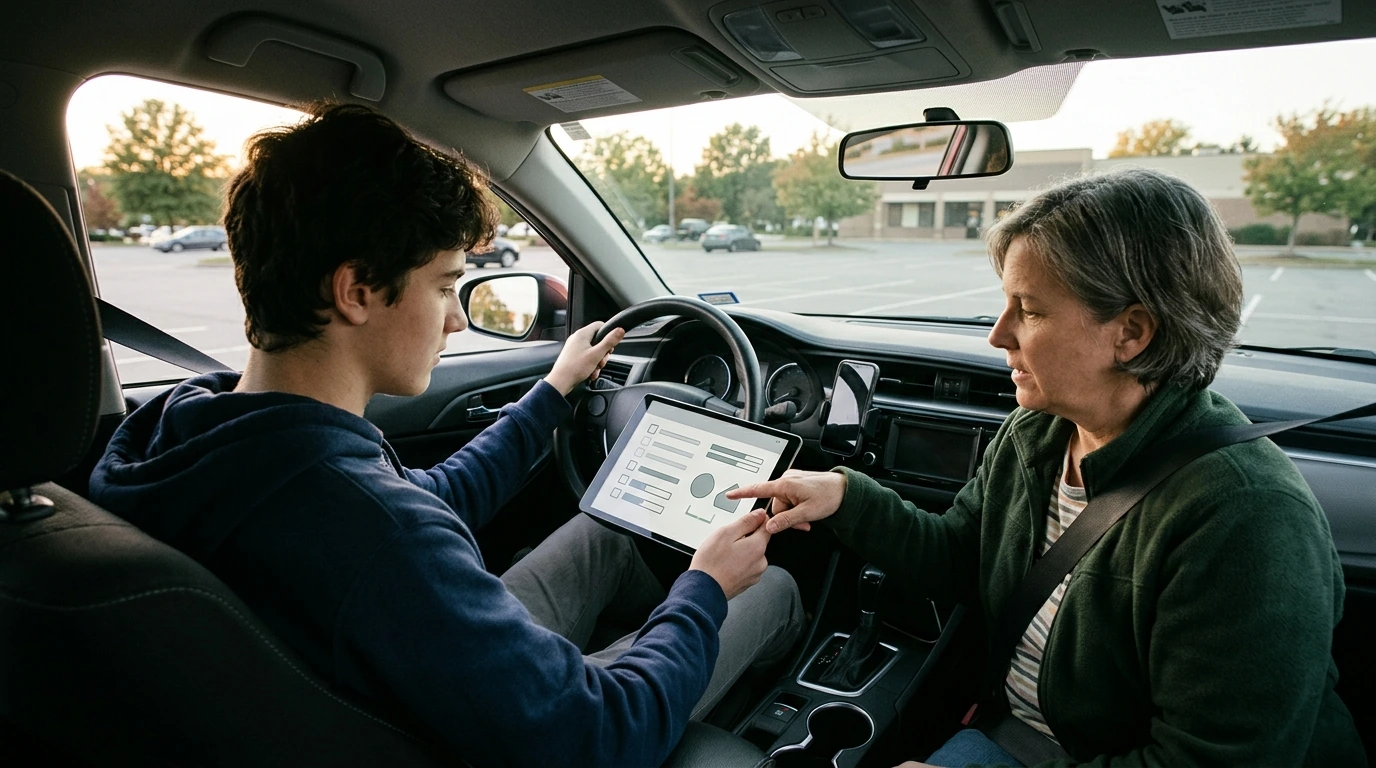
AI Tools for Learning to Drive: A Smart Checklist and Skills Tracker for Beginners
Learning to drive gets easier when practice is structured, measurable, and focused on the exact skills that show up on real roads and real tests. A simple system—plan, practice, review, repeat—turns “just driving around” into steady improvement you can actually see. Below is a beginner-friendly approach using AI-assisted study and a practical checklist: what to practice, how to track progress, and how to build confidence without guesswork.
What “AI-assisted driving practice” means (and what it doesn’t)
AI-assisted driving practice is using tools like chat-based assistants, digital notes, and study apps to organize sessions, explain rules in plain language, generate scenario questions, and help you reflect on mistakes. It’s helpful for learning how to practice—but it does not replace supervised road time, a licensed instructor, or the legal requirements in your state.
The best beginner uses are quick pre-drive refreshers (right-of-way, signs, common test errors), post-drive debriefs (what went well and what didn’t), and targeted drills for weak areas like parking, lane changes, and intersections. Treat AI as a study partner and coach for your plan, not as the authority during real driving.
One non-negotiable safety boundary: AI guidance should never override local laws, posted signage, or instructions from a qualified instructor or examiner. For official rules and procedures, cross-check what you study with your state driver handbook (for example, the California DMV Driver Handbook) and safety guidance from sources like NHTSA.
Privacy matters too. Avoid sharing personal identifiers, exact routes from home, or sensitive location data in apps. Keep practice logs general (e.g., “neighborhood streets,” “shopping center lot,” “two-lane arterial”) rather than pinpoint locations.
Set up a simple learning system: plan, practice, review, repeat
Plan: pick 1–2 skills (not 10)
Choose one or two skills per session to prevent overload. Example: “smooth braking” plus “left turns at stop signs.” Add one “avoid” behavior (like “avoid rolling stops”) to keep your attention on a single correction.
Practice: short, focused sessions beat long, random drives
Start in low-traffic areas and increase complexity gradually: empty lot → quiet neighborhood → busier roads → highways. Early sessions should prioritize control and observation, not speed or “keeping up.” If you feel rushed, the environment is too hard for today’s goal.
Review: capture the fastest feedback while it’s fresh
Right after you park, write three notes: one win, one challenge, one next step. Then use an AI assistant to turn those notes into a mini-plan for the next session (for example, “repeat the same left-turn setup five times on quiet streets”).
Repeat: consistency is the confidence shortcut
Beginners often feel “good once” and assume the skill is done. Instead, repeat the same skill across multiple sessions until it’s consistent under slightly different conditions (different intersections, mild traffic, light rain, dusk). Confidence usually arrives after a skill becomes automatic—not before.
A smart driving checklist beginners can follow before every session
A checklist reduces mental clutter so you can spend your attention on the road. Keep it short enough that you’ll actually use it every time.
Pre-drive (2 minutes): Adjust seat, mirrors, and steering wheel; buckle up; set your phone to Do Not Disturb; scan for dashboard alerts. Then check the environment—weather, visibility, road conditions, and time of day—and choose a route difficulty that matches today’s goal.
Beginner Practice Checklist (Print or Use Digitally)
| Phase | What to Do | Quick Pass Criteria |
|---|---|---|
| Before starting | Seat/mirrors set, belt on, controls located (wipers, lights, defrost) | Can reach pedals comfortably and see rear/side lanes clearly |
| Leaving the spot | Signal, 360° check, smooth pull-out | No sudden acceleration; correct lane entry |
| Intersections | Approach speed controlled, full stop when required, right-of-way confirmed | No rolling stops; checks left-right-left |
| Lane changes | Mirror-signal-shoulder check, steady speed, merge smoothly | No drifting; safe gap maintained |
| Speed control | Match limits/flow, smooth braking, safe following distance | Stops are controlled; no tailgating |
| Parking | Setup slow, reference points used, final position centered | Within lines; vehicle straight; safe checks completed |
| After driving | 3 notes: win/challenge/next step; skills rated 1–5 | Next session plan written in one minute |
How to use AI to build targeted drills (without overcomplicating it)
Skills that usually decide whether beginners feel confident
Digital download practice guide + skills tracker: an easy way to stay consistent
If you want a ready-to-use system, the AI Tools for Learning to Drive – Smart Driving Checklist for Beginners (digital download) is designed for quick pre-drive prep, simple post-drive notes, and clear next-session planning. It also works well for supervised practice—your parent, guardian, or instructor can initial completed skills and suggest a focused next step.
For anyone who likes having a broader planning routine (especially if you’re juggling school, work, and practice time), a separate checklist approach can help reinforce consistency across goals. From Dream to Done: The Ultimate Business Goal-Setting Checklist can be repurposed as a simple weekly habit tracker for driving sessions and milestones.
FAQ
Can AI tools replace a driving instructor?
No. AI can help you plan sessions, study rules, and reflect on practice, but supervised driving and professional instruction (where required) are essential for safety and legal compliance.
How often should a beginner practice driving to improve faster?
Short, consistent sessions usually work best—often 2–4 times per week when possible. Focus on repeating the same skills across sessions and gradually increasing difficulty rather than doing occasional long drives.
What should be tracked after each driving practice session?
Track skill ratings (1–5), one win, one challenge, and one next step for the next session. Also note recurring patterns like observation misses, late braking, spacing issues, or inconsistent signaling.
















Leave a comment