Reddit-Style Budgeting That Actually Works (4 Buckets)

Budget Like a Redditor: Real-Talk, Real Results
A Reddit-style budget is blunt, practical, and built to survive real life: irregular expenses, impulse buys, surprise fees, and motivation that comes and goes. The point isn’t to build a “perfect” plan—it’s to build a system that keeps working even after a messy week. Below is a straight-shooting approach: start from what you actually spent, add simple rules for the categories that wreck your cash flow, and automate the parts most likely to fail so your progress shows up in your bank account (not just on a spreadsheet).
The Reddit-style budgeting mindset (simple rules that actually stick)
- Start with reality, not ideals: build your first draft from last month’s spending, then tweak.
- Pick one primary goal at a time: debt payoff, emergency fund, or just stabilizing month-to-month cash flow.
- Use guardrails, not guilt: set clear caps for problem categories (delivery, subscriptions, “random Amazon”).
- Assume mistakes will happen: design a plan that can recover without detonating the whole month.
If you’ve ever “failed” a budget, odds are you didn’t fail—you just built something too fragile. The fix is simplicity, consistency, and a little slack built in on purpose.
Set up your baseline in 30 minutes
- List take-home income: use what reliably hits your account after taxes; don’t count one-off windfalls.
- Pull the last 30–60 days of transactions: label only big buckets first (housing, utilities, groceries, transport, debt, subscriptions, fun).
- Find “quiet leaks”: small repeating charges like app trials, monthly fees, and memberships you forgot.
- Pick one tracking method for 2 weeks: notes app, spreadsheet, or bank categories—just keep it consistent.
Quick reality check: if your paycheck fluctuates or your taxes feel unpredictable, tightening withholding can help you plan more accurately. The IRS Tax Withholding Estimator is a useful starting point.
Build your budget around four buckets
Instead of micromanaging 30 categories, start with four buckets that cover how money actually behaves.
- Needs: rent/mortgage, basic utilities, insurance, minimum debt payments, essential groceries.
- Wants: dining out, entertainment, upgrades, hobbies, non-essential shopping.
- Future you: emergency fund, sinking funds, retirement, extra debt payments.
- Flex buffer: a small “life happens” line so one surprise doesn’t wreck the entire plan.
| Bucket | What it covers | Simple rule | Common pitfall |
|---|---|---|---|
| Needs | Housing, utilities, insurance, minimum payments, basic food | Pay first, automate when possible | Underestimating groceries and utilities |
| Wants | Dining out, shopping, subscriptions, fun | Cap it weekly, not monthly | Letting one bad day become a bad month |
| Future you | Emergency fund, sinking funds, retirement, extra debt | Schedule transfers on payday | Saving “whatever is left” (usually nothing) |
| Flex buffer | Unexpected costs, small overages | Small and intentional | Using it as a hidden wants category |
Sinking funds: the “surprise” expenses that aren’t surprises
Sinking funds are mini-savings buckets for expenses you know are coming—you just don’t know the exact date. This is how you stop “random” costs from becoming credit card debt.
- Create mini-funds for predictable irregular costs: car repairs, gifts, annual subscriptions, medical, travel, school fees.
- For each fund: estimate annual cost, divide by 12, transfer monthly.
- Keep sinking funds separate from your emergency fund so you don’t drain “emergency money” on expected bills.
- If cash is tight, start with one fund that prevents the most stress (car, medical, or gifts).
Want a good baseline framework for budgeting and category planning? The CFPB has solid, no-nonsense tools here: Consumer Financial Protection Bureau budgeting resources.
Real talk about debt: pick a method and make it automatic
- Snowball: smallest balance first for quick wins and momentum.
- Avalanche: highest APR first to reduce interest the fastest.
- Set autopay for minimums on every debt to avoid late fees; then target one debt with extra payments.
- Use pain-free cuts first: negotiate bills, cancel unused subscriptions, lower fees, switch providers if the savings are real.
If you’re sorting through options and trying to avoid scams or “too good to be true” shortcuts, the FTC’s guide is worth bookmarking: Federal Trade Commission — Getting out of debt.
Make the system harder to break (automation + guardrails)
Common Reddit-approved fixes for budget fail points
A practical next step: a straight-talking budget guide you can download
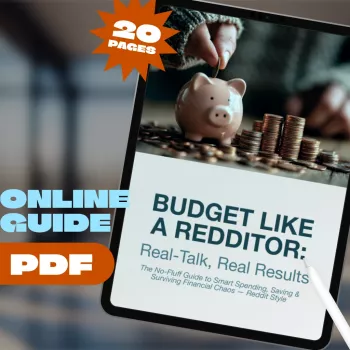
If you want a quick-start playbook you can follow without overthinking, Budget Like a Redditor: Real-Talk, Real Results (digital download) is built around realistic categories, guardrails that stick, and a setup process that doesn’t require perfection to work.
For a broader approach that combines saving, bill strategy, and day-to-day money organization, Smart Moves: Save Money & Pay Bills Like a Pro is a solid companion—especially if your biggest struggle is keeping bills, due dates, and spending decisions from colliding.
FAQ
What’s the fastest way to start a budget if tracking feels overwhelming?
Start with four buckets (Needs, Wants, Future You, Flex), pull last month’s statements, and label only the big categories. Then do a two-week consistency sprint with one tracking method before adding detail.
How much should go into an emergency fund before paying extra on debt?
Aim for a starter buffer first (often a set dollar goal or about one small month of essentials) so you don’t bounce back to high-interest debt after a surprise expense. After that, balance extra debt payments with building a larger cushion over time.
Is this eBook a spreadsheet or a step-by-step guide?
It’s a step-by-step digital download eBook that helps you set up categories, rules, and routines you can actually follow. You can use it alongside any spreadsheet or budgeting app you already prefer.















Leave a comment