5-Minute AI Breakfast Checklist for Easy Morning Ideas
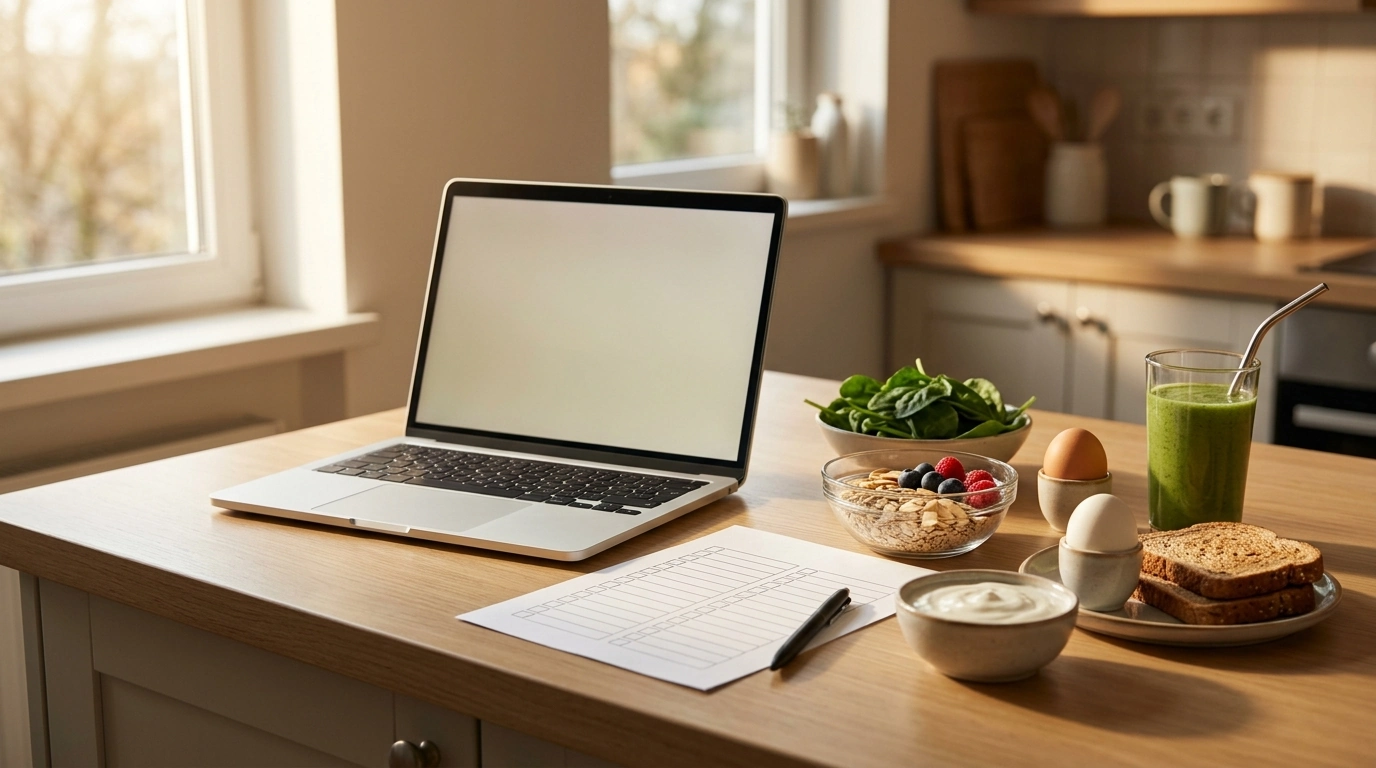
AI-Powered Breakfast Brainstorm: A Fun Checklist for Easy Morning Ideas
Mornings can feel repetitive when the same few breakfasts rotate week after week. A simple checklist that pairs quick constraints (time, ingredients, mood, and cravings) with AI-friendly cues can turn “nothing sounds good” into a short list of doable options—without overthinking. This digital download is designed to make breakfast planning faster, more playful, and easy to repeat all week.
What This Breakfast Brainstorm Checklist Helps With
When breakfast turns into a daily debate, the hardest part usually isn’t cooking—it’s deciding. A guided checklist helps you move from “I’m hungry” to a specific, realistic plan by narrowing options in a friendly, structured way.
- Cuts decision fatigue by turning an open-ended question (“what should breakfast be?”) into a step-by-step selection.
- Works for different mornings: rushed weekdays, slower weekends, post-workout, and grab-and-go days.
- Encourages variety by rotating formats (toast, bowls, eggs, oats, smoothies) and flavors (sweet, savory, spicy).
- Helps use up what’s on hand by starting with ingredients already in the kitchen.
- Supports picky eaters and mixed households by building options from preferences and restrictions.
If a printable or digital guide makes mornings feel calmer, the AI-Powered Breakfast Brainstorm: Your Fun & Easy Checklist (Digital Download) is built to be quick to use, easy to revisit, and flexible enough for whatever you’ve got in the fridge.
How to Use the Checklist in 5 Minutes
The goal isn’t a perfect recipe—it’s a solid, satisfying decision you can actually execute. Try this fast flow:
- Pick the morning reality: time available (5, 10, 20+ minutes) and energy level (low, medium, high).
- Choose the style: hot vs. cold, handheld vs. bowl, sweet vs. savory.
- Select a base: bread/tortilla, oats, yogurt, eggs, rice, leftovers, or fruit.
- Add a protein + a fiber/produce element to make it more filling (examples: eggs + spinach, yogurt + berries, beans + salsa).
- Finish with a flavor direction: cinnamon-maple, lemon-berry, garlic-herb, smoky-spicy, or Mediterranean.
Fast Breakfast Mix-and-Match (Use What You Have)
| Time | Base | Protein | Add-ins | Flavor finish |
|---|---|---|---|---|
| 5 min | Toast | Nut butter or cottage cheese | Banana slices or berries | Cinnamon + honey |
| 5–10 min | Greek yogurt | Yogurt itself + seeds | Fruit + granola | Vanilla + pinch of salt |
| 10 min | Eggs | Eggs + cheese | Spinach or tomatoes | Everything-bagel seasoning |
| 10–15 min | Oats | Milk + chia | Apple or frozen berries | Cinnamon + peanut butter |
| 10–15 min | Tortilla | Eggs or beans | Avocado + salsa | Lime + hot sauce |
| 15–20 min | Rice/leftovers | Tofu or eggs | Veg mix | Soy sauce + sesame |
AI Help Without the Overwhelm: Simple Inputs That Get Better Ideas
AI works best when you feed it real-life constraints instead of asking for “breakfast ideas” in a vacuum. The checklist format helps you gather the details that actually matter—then you can ask for a batch of options that fit your morning instead of scrolling forever.
- Start with constraints first: time limit, cooking tools available, and ingredients to use up.
- Add a preference: sweet/savory, texture (crunchy/creamy), and temperature (hot/cold).
- Include dietary notes only if needed: dairy-free, gluten-free, higher-protein, lower-sugar, vegetarian.
- Ask for multiple options at once: 10 ideas, grouped by “super fast,” “prep ahead,” and “weekend.”
- Request a shopping mini-list when a theme repeats (e.g., “three days of breakfast bowls”).
For a nutrition-minded baseline, general frameworks like USDA MyPlate and the Harvard Healthy Eating Plate can help you eyeball balance (protein, produce, whole grains, healthy fats) without turning breakfast into a math problem.
Creative Morning Themes to Rotate (So It Doesn’t Get Boring)
Variety gets easier when you rotate “themes” instead of constantly hunting for brand-new recipes. Themes also make shopping simpler because you’re reusing ingredients in different formats.
- One ingredient spotlight: use the same key item in three different ways (e.g., eggs: scramble, wrap, egg salad toast).
- Color days: “green breakfast” (spinach, kiwi, avocado) or “red breakfast” (strawberries, tomatoes, salsa).
- Global-inspired mornings: Mediterranean (tomato, feta, olive oil), Korean-ish (rice, egg, sesame), Mexican-inspired (beans, salsa, lime).
- Comfort vs. fresh: alternate cozy options (oats, pancakes) with lighter options (yogurt bowls, fruit + protein).
- Texture contrast rule: creamy + crunchy (yogurt + granola), soft + crisp (eggs + toasted bread).
Make It a Repeatable Routine: Prep-Ahead Shortcuts
If you like pairing food routines with broader planning habits, a simple structure can help. Some people keep breakfast consistent while they organize bigger goals using tools like From Dream to Done: The Ultimate Business Goal-Setting Checklist (Printable PDF), or tighten everyday spending with Budget Like a Redditor: Real-Talk, Real Results (Digital Download).
Who This Digital Download Fits Best
Common Breakfast Roadblocks (and How the Checklist Solves Them)
For additional guidance on building sustainable habits around food and activity, the CDC’s Healthy Weight, Nutrition, and Physical Activity resources are a helpful reference point.
FAQ
How does an AI-assisted breakfast checklist work if cooking skills are basic?
It starts with simple bases (toast, yogurt, eggs, oats) and a clear time limit, then builds easy combinations from what you already have. You’ll get practical options that rely on assembly-level steps, not advanced techniques.
Can the checklist help with higher-protein or lower-sugar breakfasts?
Yes—choose protein-forward bases and add-ins like eggs, Greek yogurt, tofu, beans, or cottage cheese, then add produce and healthy fats for staying power. For lower sugar, lean on spices, citrus, and fruit for flavor instead of sweeteners.
What if there are dietary restrictions like dairy-free or gluten-free?
Swap the base and add-ins while keeping the same structure: gluten-free oats or bread, plant-based yogurt or milk, and proteins like tofu, beans, or eggs. The checklist’s preference filters help you narrow ideas so your options stay safe and appealing.














Leave a comment