Bamboo Charcoal Microfiber Dishcloth Kitchen Towels Guide

Kitchen cleanup happens in small moments: drying your hands after washing produce, wiping up a splash, or clearing a counter before dinner. Having a cloth ready for each job can make those moments easier to manage without turning cleanup into a project.
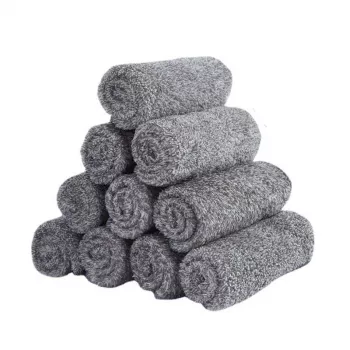
Our Bamboo Charcoal Microfiber Dishcloth Kitchen Towels are a practical option to consider for those everyday tasks. Before adding a cloth to your routine, it helps to decide where you’ll keep it, what you’ll use it for, and how you’ll separate it from towels used for other jobs.
A Simple Addition to the Kitchen
A dedicated kitchen cloth gives you a convenient place to start when it’s time to tidy up. You might keep one by the sink for drying clean hands and another near your cleaning supplies for wiping counters. The key is to give each cloth a clear purpose rather than reaching for the same one throughout the day.
Our Bamboo Charcoal Microfiber Dishcloth Kitchen Towels are listed at $7.51. Visit the product page for current availability and details as you decide whether they fit your household’s routine.
Think about how your kitchen works before choosing a spot for your cloths. A towel that’s easy to reach near the sink may be useful for hands, while a separate cloth stored with your cleaning products can be reserved for surfaces. If several people share the kitchen, a consistent arrangement can help everyone know which cloth to use.
Ways to Use Kitchen Towels Throughout the Day
Not every kitchen task calls for the same cloth. Keeping hand-drying towels apart from counter-cleaning cloths helps reduce the chance of transferring messes between your hands and work surfaces. Replace a hand towel when it becomes damp or soiled, and use a clean cloth as needed for each surface-cleaning task.
| Task | Practical approach |
|---|---|
| Drying hands | Keep a clean towel near the sink and replace it when damp or soiled. |
| Wiping counters | Use a separate cloth with a suitable cleaning product, following its directions. |
| Handling spills | Wipe promptly, then clean the surface as needed. |
| Food-contact surfaces | Clean and sanitize when appropriate, following product directions. |
For an ordinary spill, wipe it up promptly and clean the area as needed. For food-contact surfaces, wiping with a cloth alone is not a substitute for sanitizing. Clean the surface first, then use an appropriate sanitizer when needed, following the label’s directions for use and contact time.
Raw meat juices need particular care. Use a separate cloth or disposable paper towels to contain the mess, then clean and sanitize affected surfaces and wash your hands. Don’t reuse that cloth for drying hands or wiping another counter before laundering it. The FoodSafety.gov guide to the four steps to food safety offers more guidance on cleaning and avoiding cross-contamination.
Keeping Your Dishcloths Fresh
A simple reset after each task helps keep your cloths ready for their next use. Rinse a cloth after a messy job or replace it with a clean one, and give damp cloths space to dry between uses. Avoid leaving a wet cloth in a pile on the counter or tucked into a closed container.
Wash dishcloths regularly and follow any care instructions provided with the product. You can keep a small laundry spot for used kitchen textiles so they don’t get mixed back in with clean spares. Replace cloths sooner after particularly messy jobs rather than waiting for your usual laundry day.
Keep your hand-drying towels separate from cleaning cloths, both during use and when storing clean ones. A hook near the sink and a different spot for surface-cleaning supplies can make that distinction easy to remember. For broader guidance on cleaning and disinfecting household surfaces, see the CDC’s home cleaning guidance.
Make Cleanup Easier to Organize
You don’t need a complicated system. Start by assigning one cloth to hand drying, another to counter cleaning, and a separate one to spills or messier tasks. Keep clean spares within reach, and choose a place for used cloths so they don’t return to the counter by mistake.
If you’re also organizing household spending, our Smart Moves: Save Money & Pay Bills Like a Pro – Your Ultimate Guide to Financial Freedom is another resource to explore. For the kitchen itself, visit our towel product page and decide whether the towels suit the way your household cleans, dries, and stores its cloths.
Before choosing, compare the product details with your daily routine, available space, care needs, and preferred setup. The strongest option is usually the one that fits the intended use clearly and remains simple to clean, store, and check before repeat use.
FAQ
What can these kitchen towels be used for?
You can use them for routine tasks such as wiping counters, handling spills, and drying hands. Use separate cloths for different jobs.
How should kitchen dishcloths be cleaned?
Wash dishcloths regularly, let them dry between uses, and follow the product’s care instructions when available.
Can a dishcloth sanitize a countertop?
Wiping alone does not necessarily sanitize a countertop. When sanitizing is needed, clean the surface and use an appropriate sanitizer according to its label.














Leave a comment