Digital Thrifting Checklist for Better Secondhand Finds
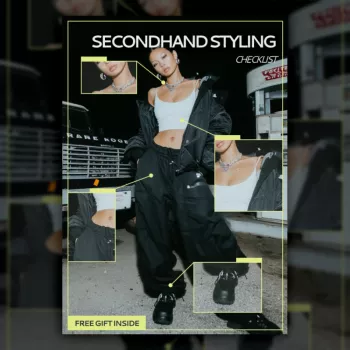
Secondhand Styling Checklist: A Digital Thrift Shopping Guide for Better Finds, Fewer Regrets
Secondhand style gets a lot easier when the plan comes before the cart. Our Secondhand Styling Checklist is built to keep thrifting focused: what to look for, what to skip, what to measure, and how to pull outfits together from pieces that were never “meant” to match—until now. Whether you scroll listings at midnight or browse racks on a Saturday, you’ll make faster calls, keep your closet cohesive, and avoid the “why did I buy this?” pile.
What this checklist helps solve (in one quick download)
- Stops impulse buys by giving you a clear “yes/no” filter before checkout
- Cuts down return stress by prompting measurements, fabric checks, and condition notes
- Makes styling simpler with outfit formulas that work across casual, work, and weekend looks
- Builds a wardrobe with intention: gaps, duplicates, and “close enough” items get flagged early
- Works for online thrifting and in-store browsing with the same steps
Secondhand shopping can also be a practical way to reduce textile waste over time; if you like the bigger-picture impact, the U.S. Environmental Protection Agency (EPA) textile data and the Ellen MacArthur Foundation’s circular economy work are worth a quick read.
Before shopping: set your style target in 5 minutes
More “good finds” doesn’t automatically mean a better wardrobe. The fastest way to thrift with fewer regrets is to set tight guardrails before you search.
- Define 2–3 go-to outfit vibes (examples: clean casual, vintage prep, minimalist workwear) to prevent random add-to-cart choices
- Pick a core color base (neutrals) plus 1–2 accent colors so mixing stays effortless
- List your most-worn categories (tops, denim, outerwear, shoes) and shop those first
- Write down “never again” items (itchy fabrics, high-maintenance cuts, heel heights that sit unused)
- Set a hard cap on duplicates (example: no more than 2 black blazers, 3 white tees) so upgrades replace—not pile on
Digital thrift shopping workflow: the checklist order that prevents mistakes
Our team built the checklist in the order your brain actually needs while shopping: fit first, then fabric, then condition, then styling, then price logic. When you follow this sequence, you stop “selling yourself” on a piece before it’s earned a spot.
- Start with measurements (body + best-fitting garment) and keep them handy: bust, waist, hip, inseam, rise, shoulder, sleeve, length
- Scan the listing fast: fabric, stretch, closure type, and any “dry clean only” notes
- Condition check: pilling, thinning, shine at stress points, stains near underarms/collar, warped knits, missing buttons, heel wear
- Fit risk check: “tailorable?” (hem, waist nip, sleeve shorten) vs. “hard fix” (shoulder fit, knit distortion, major zipper issues)
- Styling check: confirm at least 3 outfit pairings already in your closet before you buy
- Cost-per-wear check: estimate wears; prioritize pieces that fill a real gap over “fun but lonely” items
Quick decisions guide (use this while scrolling)
| If the listing shows… | Do this next | Buy only if… |
|---|---|---|
| Unclear sizing or no measurements | Message seller or skip | Returns are easy OR the brand/fit is already known |
| Natural fibers (cotton, wool, linen) with light wear | Check seam/edge photos | No thinning at elbows, knees, seat, or underarms |
| Stretch fabrics and bodycon cuts | Look for rippling or overstretched areas | Seams lay flat and the fabric springs back in photos |
| Shoes with limited photos | Ask for sole + insole + heel closeups | Tread and heel wear look even; interior lining isn’t peeling |
| A “statement” piece | Confirm 3 outfits immediately | It works with existing basics (jacket, denim, shoes) without extra purchases |
Condition & quality checks that matter most
Great secondhand style is less about luck and more about spotting the issues that don’t “wash out” and don’t tailor out.
- Fabric feel cues (even online): look for dense weaves, clear texture, and minimal fuzzing on knits
- Seam health: puckering, skipped stitches, and twisting can signal past stretching or weak construction
- Hardware test list: zippers, snaps, buttonholes, drawstrings, buckles—repairs add time and cost
- Odor risk: heavily scented items can be difficult to remove; prioritize pieces that can be washed safely
- Secondhand care reality: choose fabrics that match real life (machine-washable often wins for everyday staples)
Styling formulas: turn random finds into repeat outfits
The easiest way to make secondhand pieces look intentional is to rely on a handful of repeatable outfit “frameworks.” You’re not reinventing your style every time—you’re plugging new finds into shapes that already work.
What’s inside the Secondhand Styling Checklist (and how to use it)
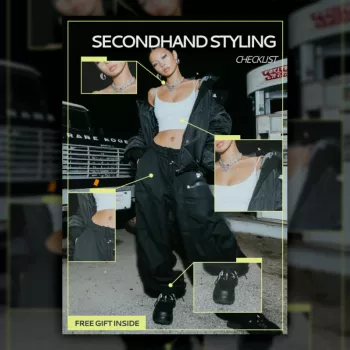
Our Secondhand Styling Checklist | Digital Thrift Shopping Guide is designed for real-life secondhand decisions: quick comparisons, fast “nope” moments, and confident “yes” purchases you’ll actually wear.
A simple starter plan for the next 7 days
More tools from our team (if you like checklists that keep decisions simple)
- Budget Like a Redditor: Real-Talk, Real Results (helpful if you want a spending plan that supports your wardrobe goals)
- From Dream to Done: The Ultimate Business Goal-Setting Checklist (great for anyone who thrives with clear steps and quick wins)
FAQ
Does the checklist work for online thrift stores and apps?
Yes—our checklist is built specifically for digital listings, with prompts for measurements, photo-based condition checks, smart seller questions, and outfit-pairing steps that reduce risky buys.
What measurements should be kept handy before buying secondhand clothing online?
Keep bust/chest, waist, hips, inseam, rise, shoulder, sleeve, and length ready, and compare them to a best-fitting item you already own so you’re matching reality, not the tag size.
How can secondhand finds look intentional instead of mismatched?
Use a limited color palette, lean on repeat outfit formulas, and choose one “hero” piece at a time while the rest of the outfit is supported by basics you already wear regularly.











Leave a comment