Silicone Training Spoon for Babies: Cute, Soft & Grippy
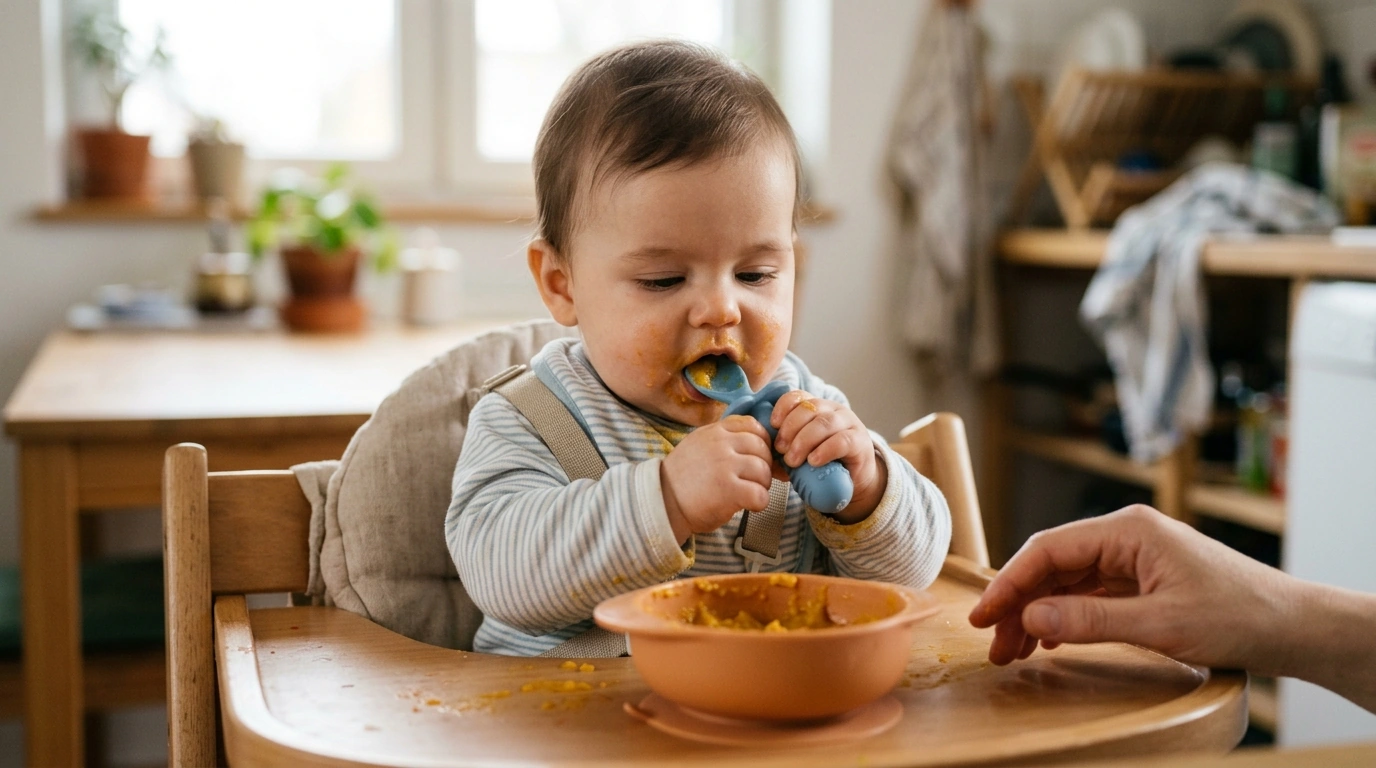
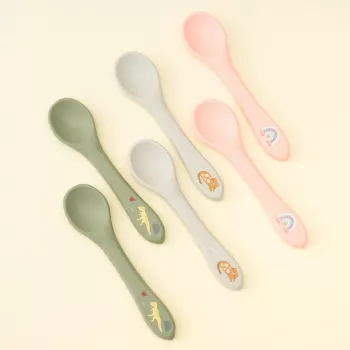
Cartoon Baby Silicone Training Spoon for Easy Self-Feeding
Self-feeding is a big milestone, but it can also be messy and frustrating without the right tools. A soft, grippy training spoon designed for little hands helps babies practice scooping and bringing food to the mouth more comfortably, while giving caregivers a safer, simpler way to introduce first foods.
What Makes a Training Spoon Different
Training spoons are made for the earliest stage of spoon practice—when coordination is still developing and baby is learning the basic “grab, aim, taste” routine.
- Built for early self-feeding practice: A shorter handle and easy-to-grip shape can feel more natural in small hands as babies work on control.
- Soft, gentle spoon bowl: Silicone tends to be more forgiving on tender gums than hard utensils, especially when babies chew before they scoop.
- Playful cartoon styling: Friendly designs can make the high chair feel less serious and help encourage curiosity about trying bites.
- Great for early textures: Training spoons are typically used with purees, yogurt, mashed foods, and other beginner-friendly options.
Key Features of the Cartoon Baby Silicone Training Spoon
The Cartoon Baby Silicone Training Spoon is designed as a simple, affordable tool for day-to-day spoon practice.
- Soft silicone feel: Made to support baby-friendly comfort during the first feeding stages, when gums and mouths can be sensitive.
- Training-focused size: A compact form factor supports baby-led exploration (baby holds and mouths the spoon) and caregiver-assisted feeding (adult guides the spoon) without feeling bulky.
- Quick cleanup between bites: Silicone feeding tools are often easy to rinse and wipe down so meals can keep moving.
- Travel-ready add-on: A lightweight spoon is easy to tuck into diaper bags, daycare kits, or travel feeding sets as a spare.
When to Use a Training Spoon
Timing matters—both for comfort and confidence. Many families bring in a training spoon as soon as spoon feeding begins, even if most bites are still caregiver-led at first.
- Early solids period: Use once a pediatrician confirms readiness for complementary foods. The CDC’s guidance on introducing solids can help you review common readiness signals and safe approaches.
- Teething phases: Soft utensils can feel more comfortable when babies mouth the spoon as much as they eat from it.
- Practicing independent feeding: Let baby hold a spoon while an adult uses a second spoon to keep intake steady and reduce frustration.
- Transition moments: Helpful when moving from fully caregiver-fed to mixed independence at the high chair.
For more feeding readiness context, see CDC — When, What, and How to Introduce Solid Foods and American Academy of Pediatrics — Starting Solid Foods.
Quick Comparison: Training Spoon vs. Regular Baby Spoon
Both types can be useful, but they often shine at different stages. Training spoons tend to emphasize beginner grip and comfort, while regular baby spoons may be shaped more for adult control.
At-a-Glance Differences
| Feature | Training Spoon | Regular Baby Spoon |
|---|---|---|
| Handle length | Often shorter for small hands | Often longer for caregiver reach |
| Grip support | Typically easier for babies to grasp | Varies; may be slimmer |
| Mouth feel | Often softer and more forgiving | Can be soft or firmer depending on material |
| Best use | Learning and practice | Caregiver-led feeding or more advanced self-feeding |
Safety and Hygiene Tips for Silicone Feeding Tools
Even simple feeding tools work best when paired with consistent safety habits.
- Wash before first use and after every meal: Use warm, soapy water and follow any care instructions provided with the product.
- Inspect regularly: Look for tears, cracks, or damage and replace if the spoon shows signs of wear.
- Supervise feeding: Keep baby seated and supervised; avoid letting a baby crawl, walk, or play while holding utensils.
- Match food texture to development: Choose textures appropriate for your child’s stage to reduce choking risk, and discuss concerns with a pediatrician.
If you’re introducing allergenic foods, review the FDA’s overview: FDA — Food Allergies: Reducing the Risk.
How to Build a Low-Stress Self-Feeding Routine
Self-feeding is a skill, not a single event. A simple routine helps babies practice without turning meals into a tug-of-war.
- Start with thicker foods: Thicker purees and mashable foods tend to cling to the spoon better than thin purees, which can reduce immediate frustration.
- Pre-load and place: Pre-load the spoon and set it on the tray so baby can focus on picking it up and bringing it to the mouth.
- Use two spoons: Give baby one spoon to hold while the caregiver uses a second spoon to support intake—especially on days when naps are short and patience is thinner.
- Plan for mess: A splash mat and easy-clean bib can shorten cleanup time and make it easier to keep practicing regularly.
Product Details and Where to Get It
- Product: Cartoon Baby Silicone Training Spoon
- Price: $2.47 USD
- Availability: In stock
- Why it’s a smart pick: A budget-friendly way to build a practical feeding toolkit, plus it’s easy to keep a spare for travel or daycare.
- Smart Moves: Save Money & Pay Bills Like a Pro – Your Ultimate Guide to Financial Freedom
- Budget Like a Redditor: Real-Talk, Real Results | Digital Download eBook
FAQ
Is a silicone training spoon safe for babies who are teething?
Soft silicone can be gentler on sore gums than harder materials. Inspect the spoon regularly for damage and use it only under adult supervision, following any care guidance included with the product.
How do you clean a silicone baby spoon?
Wash before first use and after each meal using warm, soapy water, then rinse well and dry. If the product includes specific cleaning or dishwasher instructions, follow those for best results.
What foods work best when starting spoon practice?
Thicker purees and mashable foods that cling to the spoon are often easiest for beginners. Confirm readiness for solids and age-appropriate textures with a pediatric professional to reduce choking risk.















Leave a comment