Folding Outdoor Camping Cart: Less Carrying, More Fun
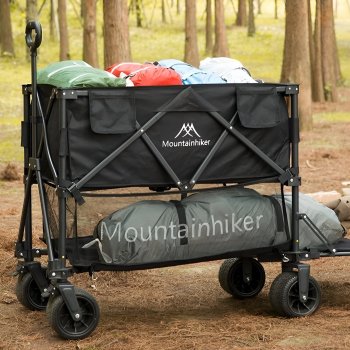
Folding Outdoor Camping Cart: Haul Gear with Less Effort at Campsites, Beaches, and Tailgates
A folding outdoor camping cart helps move coolers, tents, chairs, firewood, and kid gear in fewer trips—especially across parking lots, grass, packed dirt, and boardwalks. The right cart can take a stressful unload and turn it into a quick, organized setup, while also reducing strain from awkward carries. Below is a practical guide to where a cart helps most, what to look for in a durable model, how to handle uneven ground safely, and simple care habits that keep it rolling smoothly season after season.
When a Folding Cart Makes the Biggest Difference
Not every outing “needs” a cart, but certain situations make one feel like a must-have from the first pull.
- Drive-in camping: Cut down the back-and-forth between the car and site—especially in larger campgrounds where parking pads and tent areas don’t sit side-by-side.
- Beach days: Carry bulky items like umbrellas, towels, toys, and coolers across sand and soft access paths (wheel size and width make a big difference).
- Sports fields and festivals: Haul chairs, a canopy, snacks, and bags over grass and gravel parking areas without juggling armloads.
- Gardens and outdoor chores: Move soil, mulch bags, tools, or planters while sparing your hands and wrists from repeated heavy carries.
- Family outings: Keep the small stuff contained—blankets, kid shoes, sunscreen, and extra layers—so nothing gets forgotten when packing up.
For a quick refresher on keeping outdoor areas clean while hauling and staging gear, the Leave No Trace Seven Principles are worth scanning before your next trip.
Key Features That Matter for Outdoor Use
Folding carts may look similar at a glance, but performance outdoors comes down to a few details that show up fast on rough ground.
- Frame strength: A stable base and reinforced joints help the cart resist twisting when you turn sharply or cross ruts and roots.
- Wheels and terrain: Larger, wider wheels generally roll easier over grass and packed dirt; narrow wheels are more likely to dig into soft sand or sink in loose gravel.
- Handle design: An ergonomic pull handle with a comfortable grip reduces wrist fatigue during longer hauls.
- Cargo bed and sides: Deeper beds or higher fabric walls keep loose items contained; tie-down points help secure coolers or bins.
- Folding mechanism: A simple collapse-and-lock design saves time when arriving late or packing up in the dark.
- Braking/parking stability: On slopes, it’s safer to load a cart that stays put than one that drifts away mid-pack.
- Fabric durability: Heavy-duty fabric stands up better to abrasion from firewood, tent stakes, camp kitchen boxes, and rough-edged gear.
Quick checklist for comparing folding carts
| What to check | Why it matters outdoors | How to evaluate quickly |
|---|---|---|
| Wheel size/width | Controls rolling resistance on grass, gravel, and sand | Push/pull a loaded cart across a short uneven stretch; note digging or wobble |
| Frame rigidity | Prevents sway and tipping when turning | Lift one corner slightly; excessive flex suggests less stability |
| Handle comfort | Reduces hand strain on longer walks | Check grip thickness and range of motion while turning |
| Folded size | Fits in trunk/closet without hassle | Measure trunk opening; confirm cart fits standing up or flat |
| Cargo containment | Prevents items bouncing out on rough paths | Look for higher sides and options to strap down a cooler |
Loading and Handling Tips on Uneven Ground
A folding cart is easiest to manage when the load is stable. A few small habits reduce tip-overs, spills, and sore wrists.
- Balance weight: Keep heaviest items centered and low (coolers, water jugs) to reduce tipping.
- Avoid overstacking: Try to keep the load below the top edge so bumps and turns don’t eject items.
- Use straps for tall loads: Secure chairs, canopy bags, or stacked bins so they don’t shift mid-walk.
- Take wider turns: Tight pivots can bind wheels and increase tip risk when fully loaded.
- Mind slopes: When safe, move diagonally across steeper grades and keep a hand ready to steady the load.
- Watch for hidden hazards: Roots, potholes, and loose gravel can snag a wheel—slow down before rough patches.
For general body mechanics when lifting bulky items into the cart (like a cooler or water jug), the CDC’s NIOSH ergonomics guidance is a helpful reference.
Care and Storage for a Longer Cart Lifespan
Outdoor carts live a hard life: grit in hubs, damp fabric, and jolts over curbs add up. A little maintenance keeps it rolling true.
If you’re building a smoother packing routine along with better hauling, a checklist like REI’s camping packing guidance can help reduce last-minute “where did we put it?” searches.
A Practical Option to Consider
- Folding Outdoor Camping Cart: a collapsible option designed to haul outdoor gear for campsite setup, tailgates, and beach days.
More In-Stock Picks for Trip Prep
- Smart Moves: Save Money & Pay Bills Like a Pro – Your Ultimate Guide to Financial Freedom
- Budget Like a Redditor: Real-Talk, Real Results | How to Budget Reddit-Style Guide
FAQ
Do folding camping carts work on sand?
They can, but it depends on wheel width and diameter, how soft the sand is, and how heavy the load is. Wider wheels and lighter loads roll better, and sticking to firmer, packed paths (where allowed) helps prevent bogging down.
How much weight should be put in a folding outdoor cart?
Stay within the manufacturer’s rated capacity and keep heavy items low and centered for stability. Overloading can bend the frame, stress wheel hubs, and increase the risk of tipping on turns or uneven ground.
How should a folding cart be cleaned after camping?
Brush off dirt first, rinse away mud or sand, wipe down joints, and let the fabric dry completely before storing. Check the wheels for wrapped debris, and if the folding action feels gritty, follow the manufacturer’s guidance for cleaning or light lubrication.















Leave a comment