Kids Waterproof Down Parka: Warm, Dry Winter Play
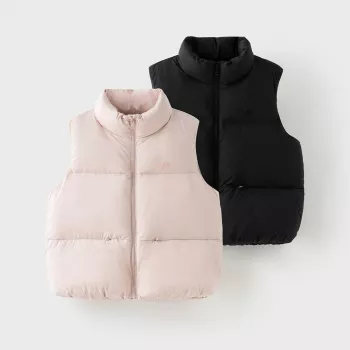

Cold weather is easier to manage when a child’s outer layer blocks wind and rain while holding in warmth. A waterproof, down-insulated parka-style jacket is designed for messy snow play, damp morning commutes, and long outdoor stretches where comfort depends on staying dry and insulated. The right fit, insulation level, and weather protection details matter as much as the material itself.
What Makes a Waterproof Down Parka Practical for Kids
A parka that pairs a water-shedding shell with down insulation solves two common winter problems at once: getting soaked and getting chilled. When the outer fabric keeps slush and light rain from soaking through, the insulation inside can keep doing its job instead of clumping or losing loft.
- A waterproof outer layer helps prevent meltwater and light rain from soaking through, which can quickly make a warm jacket feel cold.
- Down insulation is valued for warmth-to-weight efficiency, making it easier for kids to move without feeling bulky.
- Parka length (typically longer than a short jacket) adds coverage over the hips and upper legs—useful during wind, sledding, and sitting on cold surfaces.
- Outdoor-ready details (storm flaps, snug cuffs, and higher collars) help reduce heat loss through common gap points.
For a quick primer on what separates a true winter jacket from a light “puffer,” REI’s guide is a helpful reference: How to Choose Winter Jackets.
At-a-Glance Checklist: What to Look For Before Buying
Winter gear looks similar on a rack, but small construction choices can make a big difference once kids start running, climbing, and sitting in snow. Use this checklist to spot the features that keep warmth in and moisture out.
- Water resistance: look for a clearly described waterproof or water-resistant shell and sealed/covered zipper areas that reduce leakage.
- Insulation coverage: confirm insulation is present through the torso and sleeves; cold spots often appear at shoulders, underarms, or along stitched panels.
- Wind protection: prioritize a high collar and adjustable hood options for blustery days.
- Cuffs and hem: inner cuffs, elastic, or adjustable closures help keep snow and wind from pushing up sleeves.
- Pockets: secure pockets (zip or flap) help keep gloves, snacks, and small items from falling out during play.
- Care needs: check whether the garment is machine-washable and what drying approach is recommended to maintain loft.
| Feature | Why it matters | What to check |
|---|---|---|
| Waterproof shell | Keeps insulation from getting damp and losing warmth | Waterproof rating or waterproof labeling; covered zippers; durable outer fabric |
| Down insulation | High warmth with less bulk for active kids | Even fill distribution; no thin spots; comfortable weight |
| Parka length | Extra coverage when bending, sitting, or playing in snow | Hem falls lower than a standard jacket; doesn’t restrict walking |
| Hood & collar | Reduces heat loss around head and neck | Adjustability; snug fit; comfortable face/neck contact |
| Cuffs & hem seal | Blocks drafts and prevents snow intrusion | Elastic/adjustable cuffs; drawcord/elastic hem; no gaping |
| Easy on/off | Helps kids dress independently and quickly | Smooth zipper; glove-friendly pulls; not overly stiff |
Fit and Comfort: The Details Kids Notice
A warm coat that’s annoying to wear tends to end up unzipped—or left behind. When sizing a waterproof down parka, focus on movement and “real-life” layering rather than a perfectly slim silhouette.
Warmth Planning: Matching the Jacket to Temperature and Activity
For cold-weather safety basics—including recognizing early signs of getting too cold—see the CDC overview: Cold Stress (NIOSH/CDC).
Everyday Durability and Care for a Long Season
Down care is often simple but specific—gentle washing, thorough drying, and restoring loft. For general best practices, The North Face provides a clear walkthrough: How to Wash a Down Jacket.
Product Spotlight: Kids Waterproof Down Parka Jacket Warm Outdoor Vest Coat
If you’re aiming for one primary winter coat that can handle wet sidewalks, slushy pickup lines, and windy playtime, Kids Waterproof Down Parka Jacket Warm Outdoor Vest Coat is designed as a cold-weather outer layer where staying dry supports staying warm. The parka-style coverage is built to protect beyond the waist for better comfort during snow play and everyday winter routines.
| Item | Details |
|---|---|
| Name | Kids Waterproof Down Parka Jacket Warm Outdoor Vest Coat |
| Price | 108.01 USD |
| Availability | In stock |
| Product page | View details |
More in-stock picks worth browsing
- Smart Moves: Save Money & Pay Bills Like a Pro – Your Ultimate Guide to Financial Freedom
- Budget Like a Redditor: Real-Talk, Real Results | How to Budget Reddit-Style Guide
- From Dream to Done: The Ultimate Business Goal-Setting Checklist
FAQ
Is a waterproof down parka warm enough for snowy weather?
It can be, as long as the insulation level is appropriate, wind-entry points (collar, cuffs, hem) are well sealed, and layering matches the temperature. Waterproofing helps keep the down dry, which preserves warmth in snow and slush.
How should a kids’ parka fit for layering?
It should allow a mid-layer without tight shoulders or restricted elbows, and sleeves should still cover wrists when arms are raised. Make sure your child can squat, reach overhead, and twist comfortably without the hem riding up too much.
How can a waterproof winter coat be cared for without ruining insulation?
Follow the care label, wash gently when needed, and dry thoroughly so the insulation regains loft. Store the coat uncompressed (not tightly packed) to help the down stay fluffy and warm.















Leave a comment