Cozy Plaid Plush Winter Vest: Warm Fit for Small Pets
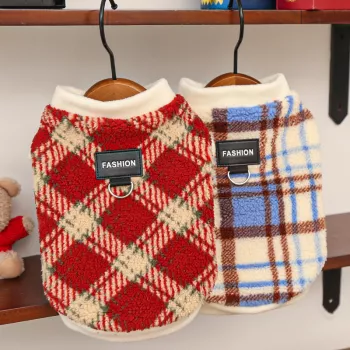
Cozy Plaid Plush Winter Vest for Small Dogs & Cats
Cold days can turn quick potty breaks and short walks into shivers—especially for small breeds, short-haired pets, and indoor cats that aren’t used to low temperatures. A plush winter vest adds a warm layer without restricting movement, helping pets stay comfortable during everyday outings and drafty indoor moments.
Why Small Pets Get Cold Faster
Small dogs and cats often feel the cold sooner than larger pets because their bodies lose heat more quickly—especially when wind or damp weather pulls warmth away. That’s why a short trip outside can feel fine to you but chilly to a petite pup or a lightweight cat.
- Small bodies lose heat more quickly, particularly in wind or damp conditions.
- Short coats, senior age, low body fat, and some medical conditions can reduce cold tolerance.
- Indoor cats may feel chilly near windows, tile floors, and unheated rooms even without outdoor exposure.
- Comfort matters: warmth can reduce stiffness and keep pets more willing to walk and play.
For broader cold-weather safety guidance, it helps to review veterinarian-backed advice from sources like the American Veterinary Medical Association (AVMA) and the ASPCA.
What Makes a Winter Vest Comfortable
A winter vest works best when it adds warmth without making your pet feel “bundled up.” The goal is a cozy core layer that stays put, feels good against fur, and keeps shoulders and legs moving naturally.
- Soft inner lining that feels gentle against fur and skin.
- Insulating outer layer that helps block drafts while remaining lightweight.
- A fit that covers the core (chest and back) without digging into armpits or restricting shoulders.
- Easy on/off design to reduce stress for pets that dislike getting dressed.
- Style that stays practical: a classic plaid look that works for everyday wear and photos.
When comfort is right, many pets transition from “statue mode” to moving normally within a few short sessions—especially when the vest isn’t bulky and doesn’t pinch behind the front legs.
Cozy Plaid Plush Winter Vest Highlights
If you’re looking for an everyday cold-season layer that feels soft and looks classic, the Cozy Plaid Plush Winter Vest for Small Dogs & Cats is designed to keep things simple: warmth on the core, freedom at the legs, and an easy-to-wear vest style.
- Designed as a warm vest layer for small dogs and cats during colder seasons.
- Plush feel aimed at cozy comfort for short outings, errands, and lounging at home.
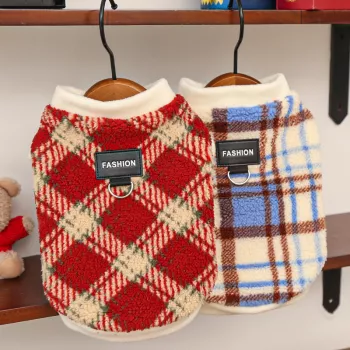
- Plaid exterior gives a classic winter look that pairs well with collars and leashes.
- Vest-style coverage focuses warmth on the body core while keeping legs free for movement.
- Works well for pets that prefer lighter layers over bulky coats.
Vests are especially handy for pets who only need a little extra insulation—like quick potty breaks, car rides, or hanging out near a drafty door.
Sizing and Fit: Measure Before Buying
For small pets, getting the right size can matter as much as the fabric. A vest that’s too tight can restrict breathing or rub the armpits; too loose and it can twist, gap, or catch on a leg.
- Measure chest girth at the widest part of the ribcage; this is often the most important number.
- Measure back length from the base of the neck to the base of the tail (not including tail).
- If measurements fall between sizes, choose the larger size for comfort and layering.
- Check that the vest doesn’t rub behind the front legs and doesn’t press on the throat.
- Do a quick “two-finger test” under the vest to confirm it’s snug but not tight.
Quick Fit Checklist for a Winter Vest
| Checkpoint | What to Look For | If It’s Off |
|---|---|---|
| Chest fit | Snug around the ribcage without squeezing | Size up if breathing looks restricted or fabric stretches tight |
| Neck comfort | No pressure on throat; comfortable with collar/harness | Adjust placement or size up if gagging/coughing occurs |
| Leg movement | Front legs move freely without rubbing | Try a larger size or different cut if chafing behind legs |
| Back coverage | Covers core along the spine without blocking tail | Size up for more coverage, down if it bunches significantly |
| Length for potty breaks | Doesn’t interfere with bathroom needs | Choose a shorter back length if it gets soiled |
Getting a Pet Used to Wearing a Vest
Even a cozy layer can feel “weird” the first time. A short, positive introduction usually works better than trying to leave it on for a full walk right away.
Care Tips for a Plush Winter Layer
When a Vest Helps Most
More In-Stock Finds
- Cozy Plaid Plush Winter Vest for Small Dogs & Cats
- From Dream to Done: The Ultimate Business Goal-Setting Checklist | Printable PDF for Setting Business Goals
FAQ
Can cats wear a winter vest safely?
Yes, as long as it’s properly fitted and you supervise at first. Make sure shoulder movement is free, nothing is tight at the neck, and remove it if your cat shows stress or tries to chew the fabric.
How tight should a winter vest be on a small dog?
It should be snug enough to stay in place but loose enough to slide two fingers underneath key areas. Avoid rubbing behind the front legs and any pressure on the throat.
Is a vest enough warmth for winter walks?
It depends on the temperature, wind, and your pet’s size and coat. A vest often works for mild cold and short outings, while extreme cold may require limiting time outside or adding protection as advised by a veterinarian.













Leave a comment