Stranger Safety Rules for Kids: Scripts, Passwords & Plan
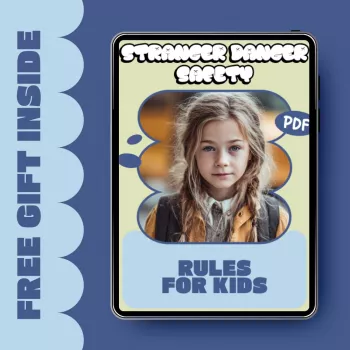
Stranger Safety Rules for Kids: A Practical Family Checklist and Printable Guide
Teaching kids about strangers works best when the rules are simple, repeated often, and practiced in everyday places—like the store, the park, and school pickup. The goal isn’t to make children fearful; it’s to give them clear boundaries and “what to do next” steps they can use under pressure. Below are kid-friendly rules to memorize, short scripts to practice, and a printable-style checklist you can share with babysitters, grandparents, and caregivers.
What “stranger safety” really means for kids
Many families find it helpful to reframe “stranger danger” into skills-based safety. Instead of focusing on what a person looks like, focus on what someone asks a child to do.
- Focus on behavior, not appearances: unsafe situations can involve people a child has met before, not only unknown adults.
- Use simple categories: “safe adults” (approved helpers) versus “tricky situations” (requests that break family rules).
- Define family safety boundaries: where your child may go, who can pick them up, and what happens if plans change.
- Make safety “not rude”: leaving, yelling, and refusing are allowed when something feels wrong.
For additional family resources and conversation starters, helpful references include the National Center for Missing & Exploited Children and the American Academy of Pediatrics.
Core safety rules kids can memorize
These are short enough for kids to repeat back to you. Aim for consistency across caregivers, carpools, and playdates.
- Check first: never go anywhere with anyone without permission from the parent/caregiver in charge.
- Stay in sight: in public places, keep a “bubble” distance and return to the meeting spot if separated.
- No secrets about safety: surprise gifts are okay; secrets that make a child feel worried or told to hide from caregivers are not.
- Hands to self: no one should ask to touch private areas or ask a child to show private areas—leave and tell a trusted adult right away.
- Use a loud voice: practice yelling, “No! Stop! This is not my parent!” if someone grabs, blocks, or tries to pull them away.
- Run to safety: go to a trusted adult, a store employee at a counter, a parent with kids, or a designated helper.
- Tell until someone helps: if the first adult doesn’t act, keep telling another trusted adult.
Tricky scenarios and what to say (kid-friendly scripts)
Short scripts give kids “ready words” when they feel surprised or pressured. Practice with a calm tone so it feels normal—like a fire drill, not a scary lecture.
- “Your parent told me to pick you up” → “I need to check first. I can’t go with you.”
- “Can you help me find my pet?” → “I can’t. I’m going to find my adult.”
- “Come see my car/toy” → “No thanks. I’m staying here.”
- “I need directions” → “Ask an adult. I’m a kid.”
- “Don’t tell your mom/dad” → “I don’t keep secrets from my family.”
Try “2-minute drills” once a week: you play the stranger, your child practices (1) saying the script, (2) moving away, and (3) going straight to a helper. Keep it brief, then praise the actions you want repeated.
Public places, school pickup, and online safety basics
Kids do best when the plan is predictable. A few simple systems reduce confusion in the moment.
Printable checklist: set it up for caregivers and routines
Quick Stranger Safety Checklist by Situation
| Situation | Child’s rule | What the caregiver sets up |
|---|---|---|
| Park or playground | Stay where the caregiver can see you; check first before leaving the play area | Agree on boundaries and a visible meeting point |
| Store or mall | If lost, go to the front counter and ask for help | Teach which employees to approach; take a recent photo before outings |
| School pickup | Only go with approved adults; use the pickup password | Share pickup list with school; set a password for unexpected changes |
| Neighborhood/doorbell | Don’t open the door; get an adult | Door rule posted; practice what to do when someone knocks |
| Online/gaming | No sharing personal info; tell an adult if someone asks to move to private chat | Privacy settings on; check friend lists; reporting steps explained |
| Approached by an adult asking for help | Say no and find a safe adult | Point out safe helpers and safe places nearby |
Helpful printables for families
If you want a ready-to-use page you can share with caregivers, this printable download is designed for quick reminders and consistent routines: Printable Stranger Danger Safety Rules Checklist for parents and caregivers.
Some families also like to pair safety planning with broader household preparedness (contact lists, pickup plans, and money basics for emergencies). If that’s helpful, consider: Smart Moves: Save Money & Pay Bills Like a Pro – Your Ultimate Guide to Financial Freedom.
When to seek extra support and how to talk about worries
FAQ
What age should kids learn stranger safety rules?
Start in preschool with simple boundaries like “check first” and staying where a caregiver can see them. In elementary years, add scripts, a pickup password, and a separation plan; for tweens, include online safety, peer pressure, and what to do if a friend suggests breaking rules.
How can stranger safety be taught without making kids scared of everyone?
Focus on “tricky situations” and skills: refuse, move away, and tell a trusted adult. Keep the tone calm, avoid scary stories, and practice through short role-plays so the rules feel routine rather than frightening.
What should a child do if they get separated in a store or public place?
Have them stop, look briefly, then go straight to a checkout counter or front desk and ask for help. They should say their name and caregiver name, and stay put with the employee until reunited—this works best when you’ve already chosen a meeting spot together.















Leave a comment